The Best 15 Gay Musicians Who Changed Modern Music

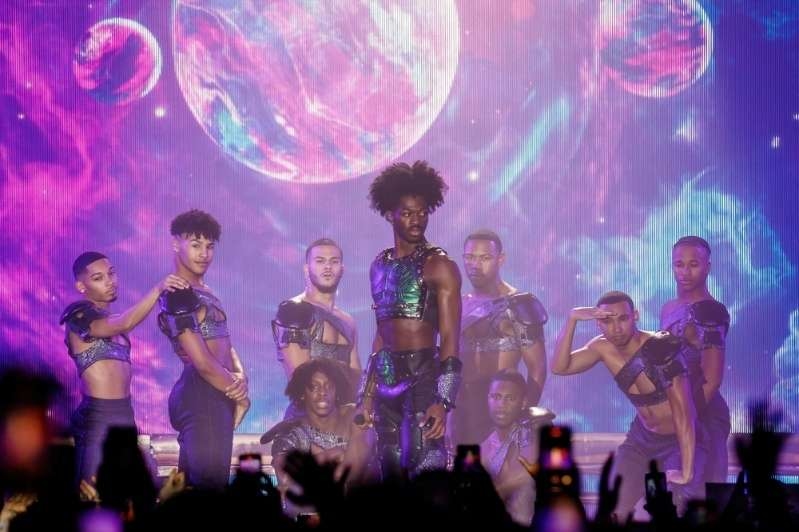
Music has always had queer voices in it, even when the industry tried to keep those voices quiet. Some artists hid parts of themselves to survive. Some came out later. Some built their whole career around being loud, visible, and impossible to ignore. That history is not neat, but it matters.
The most influential gay musicians did more than release hit songs. They changed what fans expected from pop, rock, country, soul, dance, and alternative music. They made space for love songs that did not need to pretend. They made stage performance more theatrical, more emotional, sometimes more dangerous, and often more honest.
Gay Musicians Who Made Music Feel More Honest
This list focuses on publicly out LGBTQ+ artists and widely recognized queer music figures. Some identify as gay, some as lesbian, bisexual, queer, or nonbinary. That distinction matters, because real people are not marketing labels. Still, together, they helped widen music culture in a way that younger artists still benefit from.
1. Elton John
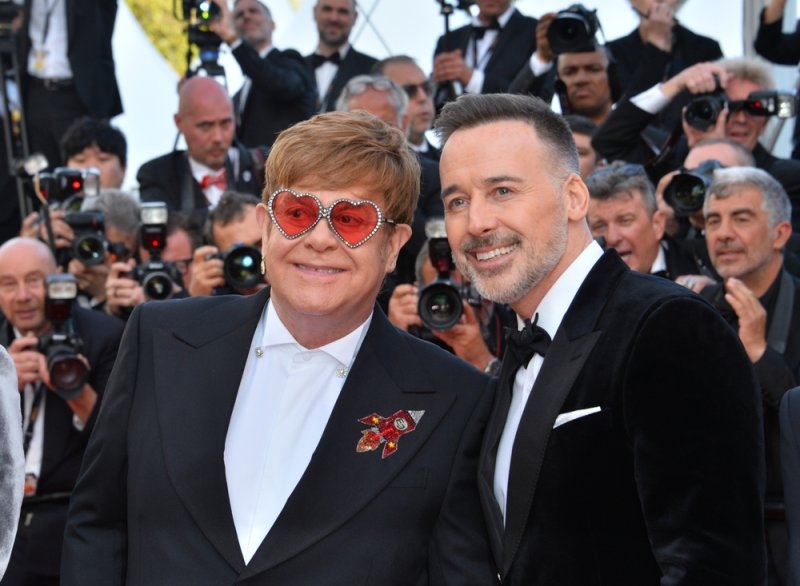
Elton John is one of the most recognizable famous gay musicians in modern music. His songs have lived through decades: “Rocket Man,” “Tiny Dancer,” “Your Song,” and many more. He also became a major LGBTQ+ public figure, especially through his AIDS foundation and long advocacy work. His marriage to David Furnish and public visibility made him a central figure in queer pop history.
2. George Michael
George Michael had the voice, the looks, the songwriting, and the complicated relationship with fame. After years of public pressure around his private life, he became more open about his sexuality and later stood as one of pop’s most important queer figures. Songs like “Freedom! ’90” and “Outside” still feel tied to self-definition.
3. Freddie Mercury
Freddie Mercury remains one of rock’s most magnetic performers. His voice could fill a stadium and still sound personal. While his public identity was shaped by a different era, his style, presence, and legacy made him a lasting queer icon in music culture. Queen’s music still feels huge because Mercury never performed halfway.
4. Lil Nas X
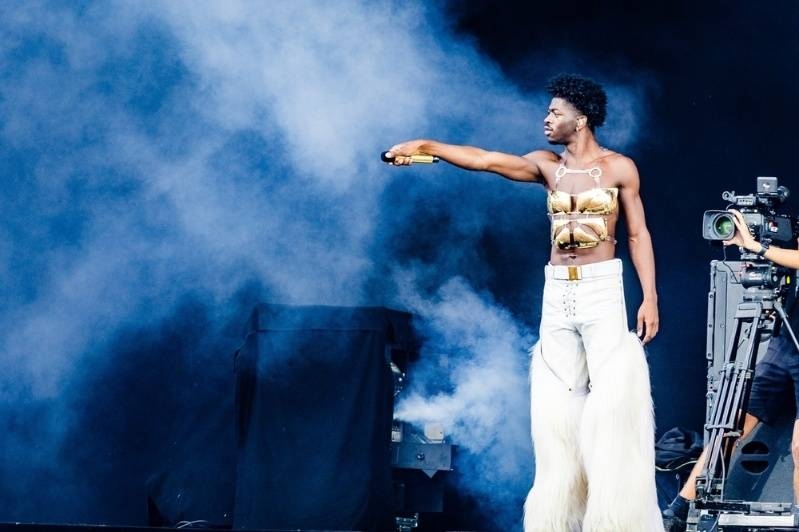
Lil Nas X changed the conversation in country rap, pop, and internet-era fame. He publicly came out as gay in 2019, after “Old Town Road” had already become a massive hit. That made his visibility feel even bigger, especially in genres where openly gay male artists had often been pushed aside.
5. Sam Smith
Sam Smith first became known for emotional ballads, then grew into a more open, theatrical, and daring pop figure. They came out publicly as gay in 2014 and later came out as non-binary, using they/them pronouns. Their career also includes major Grammy success and global hits, making them one of the best-known LGBT singers of the last decade.
6. Troye Sivan
Troye Sivan came out publicly as gay as a teenager and later built a music career that often speaks directly to queer youth, desire, friendship, and self-discovery. His songs do not feel like coded messages. They feel open. That alone made him important to a generation that wanted pop music to sound more like real life.
7. Adam Lambert
Adam Lambert brought glam-rock drama back into mainstream pop and later became the frontman for Queen's live performances. He has spoken openly about being a queer artist in the public eye, especially after his American Idol rise. His voice is massive, but his real impact is also about refusing to shrink his identity for comfort.
8. Ricky Martin
Ricky Martin’s coming out in 2010 mattered because he was already a global Latin pop star. His openness helped shift visibility in Latin music and mainstream pop culture. He has spoken about how freeing that moment felt, and his story still matters for artists navigating fame, family, and identity.
9. Melissa Etheridge
Melissa Etheridge brought raw-voiced rock into the mainstream and became one of the most visible lesbian musicians of her generation. Her music has always had a direct, lived-in quality. She did not need polish to sound powerful. She needed a guitar, a strong hook, and that voice.
Check Out: The Best Pride Events 2026 for Every Traveler in the USA
10. Brandi Carlile
Brandi Carlile blends Americana, folk, rock, and country with emotional weight. Her songwriting often feels intimate without becoming soft. She is also one of the most respected queer artists in roots music, proving that LGBTQ+ visibility belongs far beyond pop clubs and Pride playlists.
Why Country and Americana Visibility Matters
Queer artists in country-adjacent music often face a different kind of pressure. The audience can be traditional, and the industry can move slowly. That is why voices like Carlile and Orville Peck stand out.
11. Orville Peck
Orville Peck built a mysterious country image with a mask, deep vocals, and cinematic songs. As a gay country musician, he brought queerness into a space where it had often been hidden or ignored. His music feels dramatic, lonely, stylish, and old-school in a strange way.
12. Olly Alexander
Olly Alexander, known from Years & Years, has long used pop music to explore queer love, loneliness, shame, joy, and nightlife. He became one of the more visible gay male pop voices in the UK. Recent music criticism has also discussed how artists like Olly Alexander, Lil Nas X, Sam Smith, and Troye Sivan still face industry barriers despite strong visibility.
13. Perfume Genius
Perfume Genius, the stage name of Mike Hadreas, makes music that can feel fragile one moment and huge the next. His work often explores queer identity, illness, body, shame, beauty, and survival. He is not always easy background music. That is part of the point.
14. Frank Ocean
Frank Ocean changed R&B by making it quieter, stranger, and more emotionally open. His public letter before “Channel Orange” made a deep cultural impact, especially because Black male vulnerability and queer desire had rarely been treated so carefully in mainstream R&B.
15. Chappell Roan
Chappell Roan has become one of pop’s most talked-about queer performers, bringing drag-inspired visuals, big hooks, camp, heartbreak, and Midwestern awkwardness into one bright package. Her rise shows how newer LGBT singers can build fan communities that feel personal, funny, and fiercely protective.
Why do These Artists Still Matter?
The point of listing musicians that are gay or LGBTQ+ is not just curiosity. Representation changes what listeners think is possible. A teenager hearing Troye Sivan sing about a boy, a country fan seeing Orville Peck, or a pop fan watching Lil Nas X refuse to soften himself can feel less alone.
These artists also changed the music itself:
- Love songs became less coded
- Stage fashion became freer
- Pop videos became more openly queer
- Country and rock gained new voices
- Fans saw identity as part of artistry, not a distraction
Read More: Gay Bristol Travel Guide For First-Time Visitors Today
Final Thoughts
The story of gay musicians is not one story. Elton John’s path is not Lil Nas X’s path. Sam Smith’s public life is not Freddie Mercury’s. Brandi Carlile, Ricky Martin, Adam Lambert, Frank Ocean, and Chappell Roan all moved through different industries, pressures, and moments.
What connects them is courage, talent, and the simple fact that music sounds different when artists are allowed to bring their whole selves into it. The best famous gay musicians did not just make songs. They made room.
FAQ
1. Why is Representation Important in Music?
Representation matters because music is personal. People hear themselves in songs before they can always explain their own feelings. When LGBTQ+ artists are visible, younger listeners can see that love, heartbreak, ambition, style, faith, and family do not belong to one kind of person. It also pushes the industry to stop treating queer stories as niche.
2. Are all LGBTQ+ Musicians Comfortable Being Called Gay Musicians?
No, not always. Some artists identify as gay, while others identify as lesbian, bisexual, queer, pansexual, or non-binary or use different language altogether. “Gay” is sometimes used casually as an umbrella word, but it is better to respect each artist’s own identity when possible. That is why careful wording matters in music writing.
3. Have LGBTQ+ Artists Always Been Part of Popular Music?
Yes, but not always openly. Many queer artists shaped jazz, rock, disco, pop, country, R&B, and electronic music while facing pressure to hide their personal lives. Some were coded, some were out in smaller circles, and some became public much later. Today’s visibility exists partly because earlier artists carried that weight first.
-1781705290-r.jpeg)