LGBTQ+ Pride Flags and Their Meanings: A Detailed Guide

LGBTQ+ pride flag meanings help to identify, recognize, and share respect across different communities. These flags help explain who people are in a simple visual way.
This blog will help you understand everything about LGBTQ+ pride flags. It will explain the importance of knowing their values are essential in everyday life and the meaning of different pride flags.
Must Read: Lesbian Relationships Advice Network for Strong Loving Bonds
What are LGBTQ+ Pride Flags?
LGBTQ+ pride flags can be referred as visual symbols that are created to represent different identities within the community. All these flags stand for a group of people who share similar experiences and emotions. These flags allow people to feel seen without needing to explain their identity in words.
It is essential to understand that pride flags have become more than just symbols with time. They became tools for awareness and inclusion. They are used in public spaces, online platforms, and personal settings to show support and understanding. Every color and design choice reflects real experiences and shared values.
These flags also help start conversations. They invite curiosity without pressure. They create a space where people can learn, listen, and respect differences without judgment.
Understanding All the Pride Flag Meanings
Pride flags are designed with clear intent. Each one communicates identity in a direct and respectful way. Below are some of the most widely recognized flags and what they represent.
1. Rainbow Pride Flag
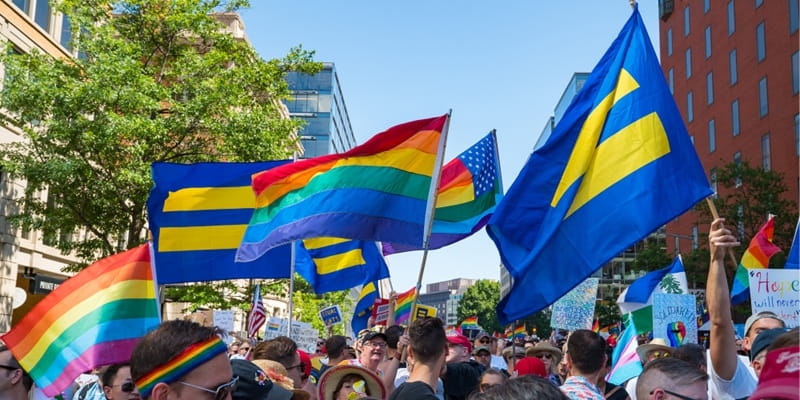
The rainbow pride flag represents the entire LGBTQ+ movement. All colors have an association that fosters life, harmony, and unity. They never point to any particular identity but instead cover multiple identities under one body of acceptance.
2. Transgender Pride Flag
The transgender flag has colors of light blue, pink, and white. The colors reflect the themes of conventional gender tones and neutrality. It represents individuals whose gender identity is not their assigned sex at birth.
3. Bisexual Pride Flag
The bisexual flag indicates that the person is attracted to more than one gender. It has colors that blend into each other, symbolizing that there are no divisions between the colors. This flag also wants to be clearly noticed.
4. Pansexual Pride Flag
The pansexual flag is a symbol of attraction without gender considerations. It focuses more on emotional connection than labels, with colors that reflect a high level of openness.
5. Asexual Pride Flag
The asexual flag is a symbol of all those individuals who experience low or no sexual attraction. The colors of the asexual flag are representative of the entire asexual community.
6. Non-Binary Pride Flag
The non-binary flag is a symbol for those individuals who don’t align strictly as either male or female. The color scheme of non-binary is more open-minded, going beyond gender norms.
7. Intersex Pride Flag
The flag of intersex people consists of simple-hued colors with the circle as the symbol. The flag represents people born with different physical body attributes, while the circle represents whole and independent people.
8. Genderqueer Pride Flag
The flag representing identities outside the bounds of definite gender roles and definitions symbolizes flexibility and individuality.
Why is it Essential for You to Understand LGBTQ Flags Meanings?
This knowledge about pride flags is important because it helps to govern our interaction with other people. Here’s why.
Makes Communication Respectful
Knowing the meaning of the LGBTQ flags allows individuals to communicate thoughtfully. This minimizes confusion and wrong assumptions about someone else. This awareness enables respectful communication in the workplace, schools, and daily life. Understanding the meaning of LGBTQ flags enhances communication by showing genuine effort and trustworthiness.
Build an Inclusive Mindset
Comprehending and appreciating diverse identities makes people naturally open to diversity. It grounded the idea of fairness and inclusion in daily life patterns. Symbols appreciated and comprehended have better chances of being respected. Inclusive thought processes were not based on agreements but merely on understanding and respect.
Better Emotional Safety
Recognizing these symbols for individuality allows for a sense of comfort. This helps people feel viewed and appreciated. Feeling emotionally safe enables people to express themselves without any fear. Safer environments promote healthier relationships and stronger communities.
Top Pick: LGBTQ Population By State: How It’s Changing Nationwide Now
What are the Different Pride Flags?
There are many pride flags, each representing a specific identity. Below are commonly recognized examples.
1. Lesbian Pride Flag
The lesbian pride flag represents women who are attracted to women. Its colors reflect connection and shared experience. The flag supports visibility and recognition. It allows people to express identity without explanation. The design reflects confidence and belonging.
2. Gay Men’s Pride Flag
This flag represents men who are attracted to men. It reflects pride, community, and shared identity. The design supports self-acceptance. It helps create visibility in both personal and public spaces.
3. Demisexual Pride Flag
The demisexual pride flag represents people who experience attraction after forming emotional bonds. It emphasizes trust and connection. This flag helps explain attraction that develops over time rather than instantly.
4. Agender Pride Flag
The agender pride flag represents people who identify without gender. Its colors reflect neutrality and freedom. It supports identity outside traditional gender frameworks. The design promotes personal definition.
Real Values of all the LGBTQ+ Flag Colors
Colors used in pride flags carry shared meanings that remain simple and clear.
Red
Red represents life and strength. It reflects passion and determination. This color often symbolizes emotional energy and resilience.
Yellow
Yellow represents clarity and independence. It avoids gender association. The color supports confidence and self-expression.
Blue
Blue represents calmness and trust. It reflects honesty and balance. This color supports emotional stability.
Green
Green represents growth and harmony. It reflects renewal and balance. The color supports steady progress.
What Do the Pride Flags and Symbols Showcase?
Pride flags communicate more than identity. They reflect shared values and experiences.
Identity Visibility
Flags help people express who they are without words. Visibility creates recognition and understanding.
Unity and Belonging
Shared symbols remind people they are not alone. Unity strengthens community connections.
Personal Expression
Pride flags allow open expression. They support individuality while respecting shared space.
Conclusion
LGBTQ+ pride flags help explain identity, promote respect, and encourage understanding. Learning their meanings supports empathy and inclusion. Awareness helps create safer and more respectful spaces for everyone.
Frequently Asked Questions
1. Why are LGBTQ+ pride flags important?
They represent identity and help promote understanding and respect.
2. How many pride flags exist today?
There are many flags representing different identities and experiences.
3. Are pride flags used worldwide?
Yes, they are recognized globally as symbols of inclusion.
4. Do pride flag colors have fixed meanings?
You will observe that most colors carry shared meanings across different flags.
5. Can anyone support pride flags?
Yes, supporting pride flags shows respect and allyship.



-1781705290-r.jpeg)