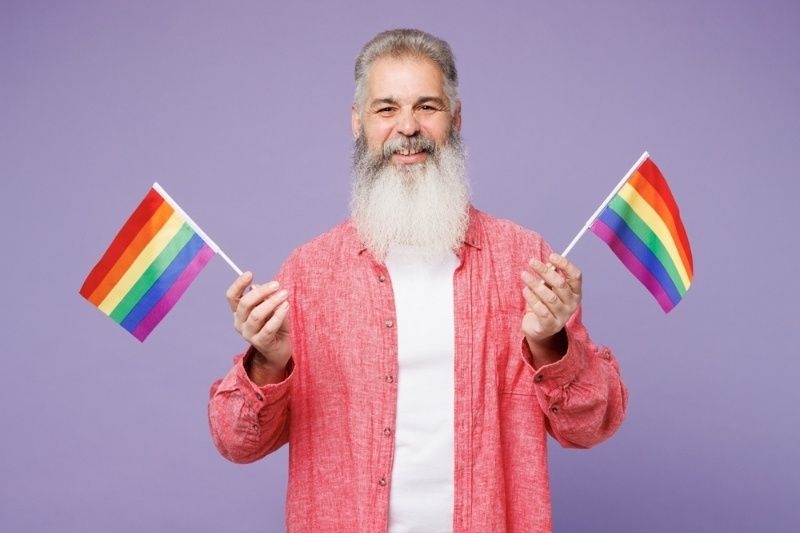
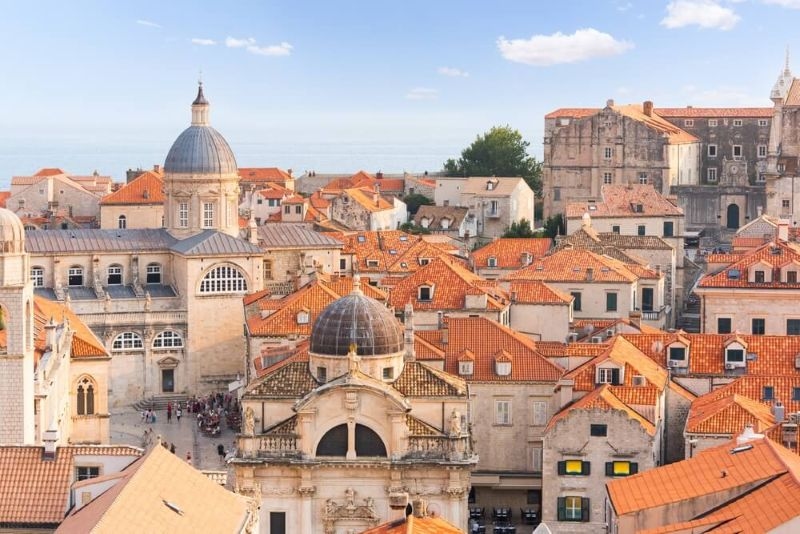
Top Gay-Owned Businesses to Support in Major U.S. Cities


Walking into a shop and instantly feeling welcome is a quiet kind of magic. It is the friendly eye contact. The music that fits the mood. The “take your time” energy. When people choose to spend their money intentionally, they are not just buying coffee, a haircut, or a gift. They are voting for the kind of community they want to live in.
Supporting gay-owned businesses can be a fun habit, not a heavy one. It can be as simple as switching where someone grabs brunch on Sunday, where they buy a birthday card, or who they call for a home service. Small choices. Real impact.
This guide focuses on major U.S. cities and the kinds of gay-owned spots people can look for in each one, without turning it into a scavenger hunt. It is practical, it is human, and yes, it can be delicious.
Gay Owned Businesses USA: What That Really Means
When people search for gay owned businesses USA, they are usually looking for two things: places to spend money that align with their values, and a way to feel connected to something bigger than a transaction.
A gay-owned business is typically owned or co-owned by someone who identifies as gay, often within the broader LGBTQ+ community. Some owners are public about it. Some are quieter. Both are valid. Not every business wants its identity to be its marketing strategy.
What matters is that customers approach this with respect. The goal is not to “verify” someone’s identity like it is a badge. The goal is to support businesses that openly serve and uplift their communities, hire inclusively, and help create safe spaces.
So think of this guide as a “what to look for” roadmap, not a hard list carved in stone.
Why Support Matters More Than One Month A Year
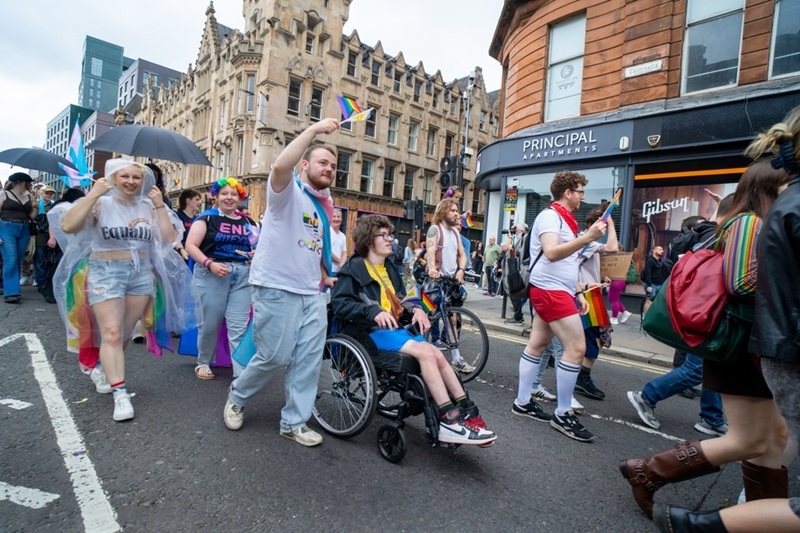
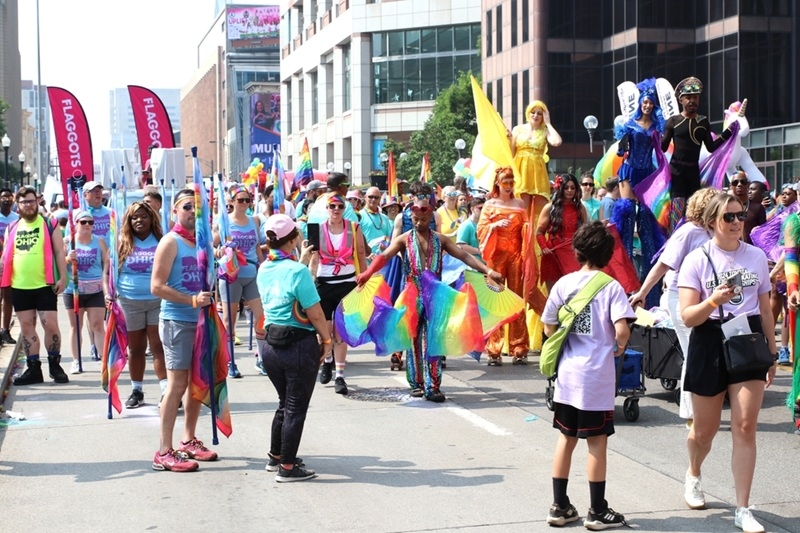
It is easy to talk about support when Pride celebrations are everywhere. The real test is what happens the rest of the year.
Many LGBTQ+ owned businesses are built with limited access to traditional funding, smaller networks, and higher risks around safety and discrimination. That is not drama, that is reality. Supporting these businesses can help keep doors open, staff employed, and neighborhoods vibrant.
It also creates visibility. When customers show up consistently, it sends a signal that inclusion is not a trend. It is a baseline expectation. And for customers? It often leads to better service. Businesses rooted in community tend to do the little things well. The details. The vibe. The care.
How To Find Gay-Owned Spots Without Guessing
If someone wants reliable leads, the best approach is using a queer business directory instead of relying on rumors or random social posts. Directories can help people search by city, category, and sometimes even by neighborhood.
A smart way to use a directory is to search by what someone already needs. For example:
- “Bakery near me”
- “Hair salon”
- “Bookstore”
- “Therapist”
- “Fitness studio”
- “Home cleaning”
- “Gift shop”
Then compare options, read reviews, check websites, and choose what feels right.
Another easy trick: look for businesses that support local LGBTQ+ causes year-round, host community events, collaborate with queer artists, or spotlight LGBTQ+ creators. That usually signals genuine community roots.
City By City: What To Look For In Major U.S. Cities
Instead of naming specific businesses that may change ownership, hours, or locations, this section highlights the kinds of businesses that tend to have strong LGBTQ+ presence in each city, plus where to start looking.
New York City
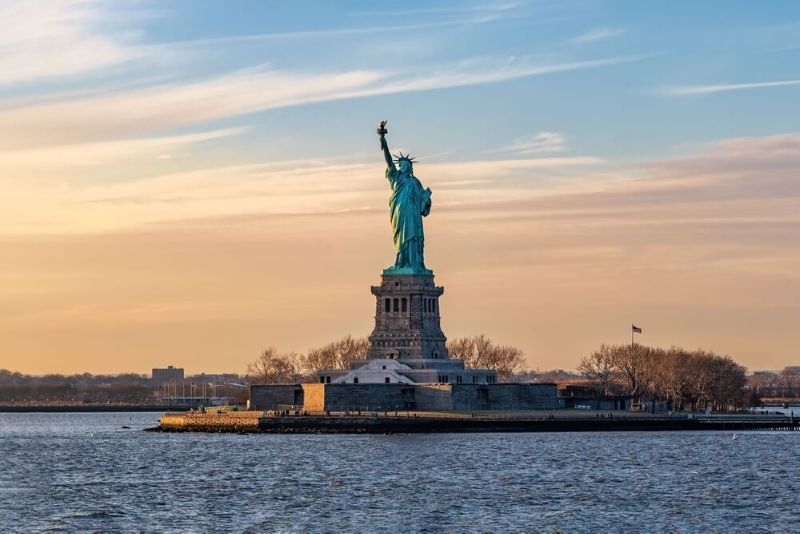
NYC has a deep mix of queer history and modern creativity. People can look for independent bookstores, art-forward cafes, boutique fitness studios, and small fashion labels that lean bold and unapologetic.
Best approach: pick a neighborhood, walk, and follow the energy. The city rewards curiosity.
Los Angeles
LA is perfect for wellness, beauty, and lifestyle brands. Think skincare studios, barbershops, yoga, vintage boutiques, and small food pop-ups that turn into loyal followings.
Tip: many LGBTQ+ owners here also run online stores, so visitors can keep supporting after the trip ends.
San Francisco Bay Area
The Bay tends to blend activism with craftsmanship. People often find queer-owned coffee roasters, mission-driven home goods brands, tech-enabled services, and community-centered nonprofits with retail arms.
This is also a strong city for community commerce, where businesses feel like gathering spaces, not just stores.
Chicago
Chicago shines with neighborhood pride and deep local loyalty. Look for restaurants, music venues, bookstores, and creative studios that build regulars like a family.
A good move is searching for “queer events” in the city and noting which businesses host them. Those hosts are often worth supporting.
Miami
Miami brings color, nightlife, and design. People can explore queer-owned bars and lounges, but also home decor shops, swimwear brands, and beauty services that blend culture and style.
Bonus: Miami has a strong blend of Latin influence, so food and hospitality are a great entry point.
Washington, DC
DC is packed with service-based businesses: consulting, education, wellness, and specialty retail. People can support queer-owned cafes near work hubs, as well as local makers and event spaces.
Because DC is relationship-driven, referrals matter. A single great experience often leads to a steady client pipeline.
Seattle
Seattle’s strength is thoughtful, cozy, and craft-heavy. Look for coffee shops, bakeries, small-batch makers, bookstores, and outdoor lifestyle brands.
Many customers here care about ethics, sustainability, and inclusion all at once, so queer-owned brands that also prioritize eco choices tend to stand out.
Austin
Austin is energetic and experimental. People can find queer-owned food trucks, creative studios, vintage shops, and music-adjacent businesses. It is a city where a small brand can become a big deal quickly.
If someone is new to the city, using a queer business directory plus local event calendars is the fastest way to build a personal list.
On a Similar Note: Unforgettable Gay Cruise Greece: Sail, Connect, & Celebrate
What To Look For In A Great Business Experience
Let’s make this practical. When someone is deciding where to spend money, they can look for:
- Clear values and a real personality, not generic slogans
- Consistent service, not just trendy branding
- Community involvement that shows up year-round
- Respectful staff and inclusive policies
- Products that feel intentionally chosen, not random
This is also where supporting gay brands becomes more than a feel-good line. It becomes a quality filter. Many of these businesses win customers because they are genuinely good, not because of a label.
Ways To Support Beyond Spending Money
Money helps, sure. But support also includes visibility and consistency.
Here are simple actions people forget matter:
- Leave a detailed review, not just stars
- Tag the business when sharing photos
- Bring a friend, especially during slower days
- Book services in advance instead of last minute
- Buy gift cards for birthdays and holidays
- Recommend them in local community groups
When people talk about LGBTQ+ entrepreneurs, it is worth remembering that many grow through word of mouth more than ads. One genuine recommendation can outperform a whole marketing budget.
Avoiding The Awkward Stuff
Support should not feel like a performance. A few common mistakes can make it weird fast:
- Asking personal questions about identity
- Treating the business like a charity
- Assuming every queer-owned brand is the same
- Only showing up during Pride season
The better approach is simple: show up like a normal customer, be respectful, tip fairly, leave reviews, return when it makes sense.
Also, not every queer-owned business screams “queer” in its branding. Some are quiet. Some are loud. Both can be valid forms of expression.
Building A Personal List That Actually Sticks
Instead of trying to “support everything,” people can build a short list of 10 to 15 go-to places across categories:
- One coffee spot
- One restaurant
- One self-care service
- One gift shop
- One online brand for essentials
That is where local queer shops become part of everyday life, not a once-a-year idea. It is also how someone supports without burnout. Sustainable support wins.
And if someone wants to go deeper? Pick one category to focus on for a month. Like gifts. Or dining. Or personal care. Make it a small personal project. Keep it fun.
Read More: Understanding a Sapphic Relationship in Modern Dating
Conclusion: Bringing It All Together
Supporting queer-owned businesses is not about being perfect. It is about being consistent. When people choose businesses with intention, they help protect community spaces, build inclusive local economies, and create visibility that lasts. That matters for customers, owners, and neighborhoods.
And the best part is that this is not only “good.” It is often genuinely enjoyable. Better vibes. Better stories. Better human connection. Support can be simple. Buy the coffee. Book the haircut. Order the gift. Leave the review. Repeat.
FAQs
1. How Can Someone Verify A Business Is Gay-Owned Without Being Invasive?
The easiest way is to rely on business listings, official profiles, and directories where owners choose to self-identify, rather than asking personal questions in person.
2. Are Gay-Owned Businesses Only In Big Cities?
No. Smaller towns often have queer-owned businesses too, but they may be less visible. Searching local community pages and directories can help uncover hidden gems.
3. What If A Directory Is Outdated Or A Business Has Changed Ownership?
That happens. Customers can check the business website and recent reviews for clues. If unsure, they can simply support businesses that openly prioritize inclusion and community.



-1781705290-r.jpeg)