LGBT Self Care: 7 Real Ways to Support Your Mental Health

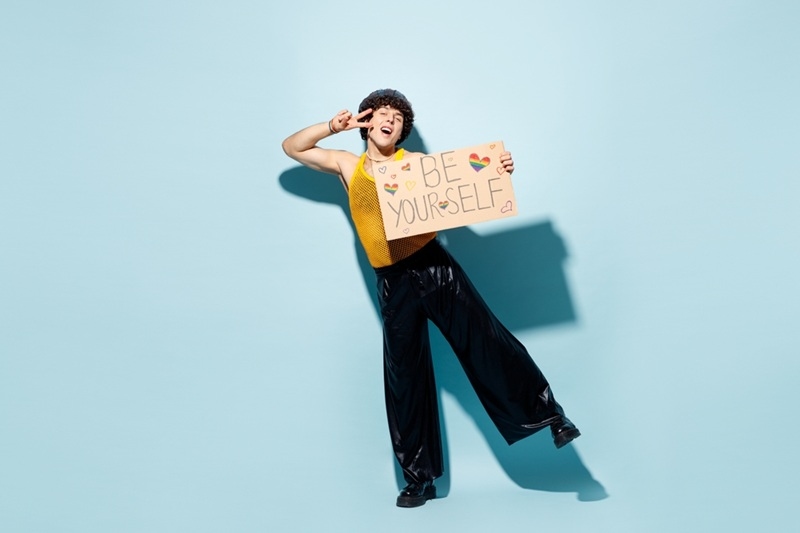
Self care hits differently when your identity has been questioned, debated, or dismissed. For many people in the community, stress is not just about work or relationships. It is about safety, acceptance, and being seen. That constant pressure affects LGBTQ mental health in real ways.
That is why LGBT self care is not surface level. It is not about trends. It is about protecting your peace, strengthening your identity, and building habits that support long term stability. Real self care for LGBTQ people acknowledges minority stress and responds to it directly.
Why LGBT Self Care Matters for LGBTQ Mental Health
Major health organizations have consistently reported higher rates of anxiety, depression, and suicidal ideation among LGBTQ individuals. The root cause is not identity. It is stigma, discrimination, rejection, and social stress.
When you constantly assess whether a space is safe or whether someone will respect your pronouns, your nervous system stays activated. Over time, that creates burnout.
LGBT self care helps regulate that stress. It creates internal stability even when the external world feels uncertain. Strong affirming self care practices reduce internalized stigma and strengthen emotional resilience.
Self care for LGBTQ people is not indulgent. It is necessary.
Top pick: LGBTQ+ Pride Flags and Their Meanings: A Detailed Guide
7 LGBT self care Practices For Good Mental Health
If you are looking for practical LGBTQ wellness tips that actually make a difference, start here.
Set Clear Boundaries
Boundaries are foundational to LGBT self care.
You are not required to answer invasive questions. You are not obligated to tolerate jokes that undermine your identity. You do not owe emotional labor to people who refuse to listen.
Healthy boundary examples include:
- Redirecting personal questions
- Saying no without over explaining
- Limiting time with invalidating individuals
- Leaving spaces that feel unsafe
Boundaries protect emotional energy. They reduce resentment. They are one of the simplest yet most effective affirming self care practices.
Build Affirming Community
Isolation damages LGBTQ mental health. Community strengthens it.
Whether it is chosen family, supportive friends, or LGBTQ groups, connection matters. Being around people who use your correct name and pronouns lowers stress and increases emotional security.
Community can look like:
- Weekly meetups with trusted friends
- Online groups with clear moderation
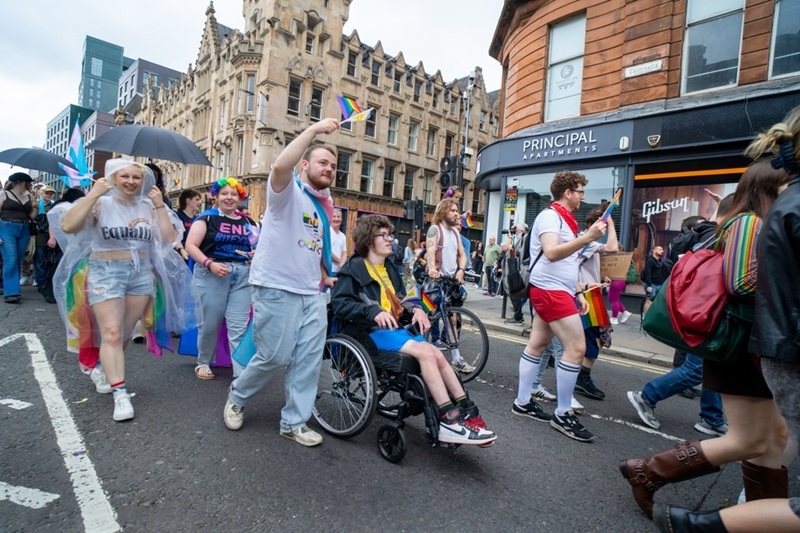
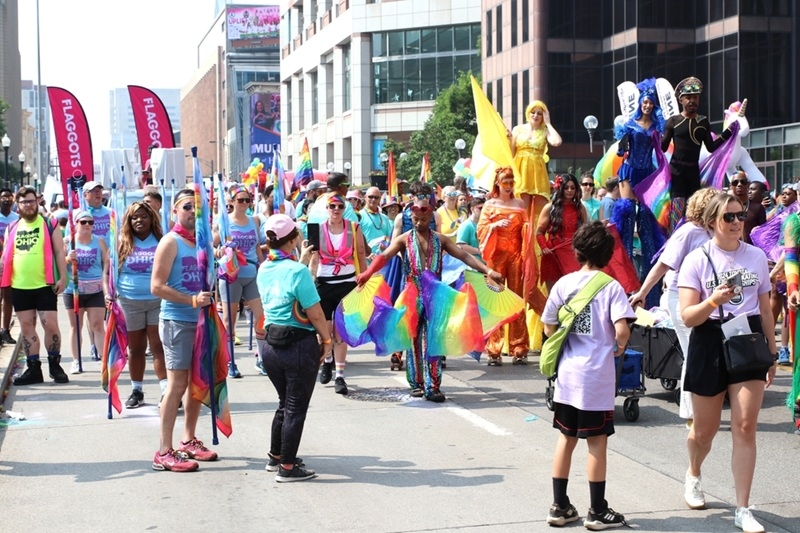
- Local LGBTQ events
- Peer led support groups
Mental health support for LGBTQ individuals often begins with feeling understood. Even one affirming relationship can shift your baseline stress levels.
LGBT self care is not always individual work. It often involves choosing who gets access to your world.
Practice Daily Identity Affirmation
Affirmation counters internalized negativity.
Living in a society that centers heterosexual and cisgender norms can create subtle self doubt. Affirming self care practices rebuild confidence and clarity.
Simple ways to affirm your identity:
- Use your chosen name in journals
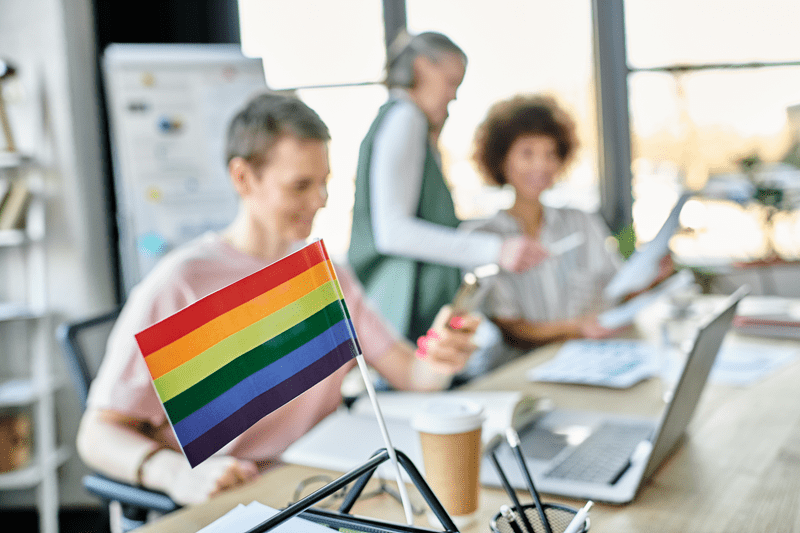
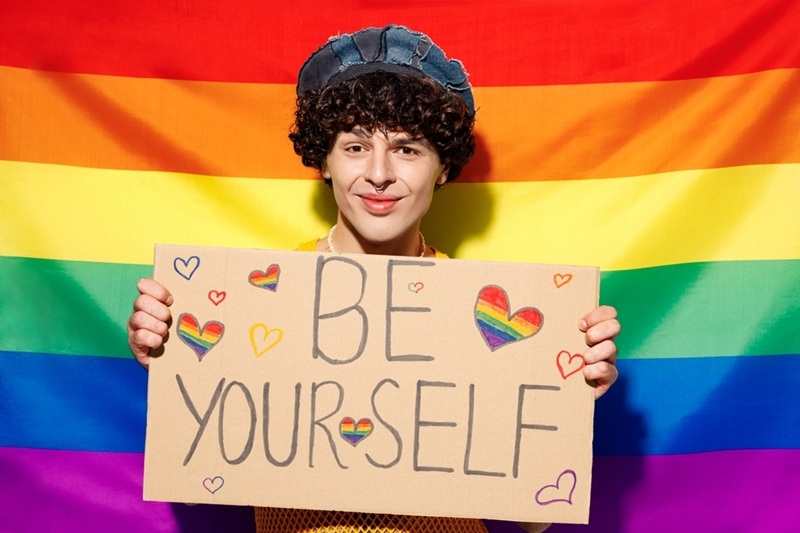
- Display pride symbols in personal spaces
- Follow LGBTQ creators
- Speak positive statements about yourself
For example, a transgender person might practice body neutral language in the mirror. A bisexual person might challenge stereotypes about indecision. Small, consistent actions strengthen LGBTQ mental health over time.
Identity affirmation is not ego driven. It is corrective.
Move Your Body in Ways That Feel Safe
Exercise improves mood and lowers anxiety. Research in psychology consistently links movement to better emotional regulation. But not all fitness environments feel welcoming.
Self care for LGBTQ people includes choosing movement that feels safe and affirming.
Options might include:
- Walking outdoors
- Home workouts
- Inclusive yoga classes
- Swimming
- Noncompetitive sports
The goal is stress regulation, not appearance. Movement lowers cortisol and improves sleep, both of which support LGBTQ mental health.
If a space increases tension, it is not aligned with your self care plan.
Curate Your Media Intake
Media shapes perception.
Constant exposure to hostile headlines or anti LGBTQ rhetoric increases anxiety. On the other hand, positive representation improves self perception and hope.
Intentional media habits are a core part of LGBT self care.
You might:
- Follow affirming news sources
- Limit time on triggering social media threads
- Watch shows with accurate LGBTQ representation
- Read books by queer authors
This is not avoidance. It is strategic exposure. Curated media reduces unnecessary stress and supports mental health support for LGBTQ communities indirectly by reinforcing belonging.
Explore More: LGBTQ Population By State: How It’s Changing Nationwide Now
Seek Affirming Mental Health Support for LGBTQ
Professional support can be transformative when it is affirming.
Not every therapist understands LGBTQ experiences. Finding mental health support for LGBTQ individuals specifically can make a measurable difference.
Affirming providers can help you:
- Process rejection
- Navigate coming out decisions
- Address internalized shame
- Manage anxiety linked to discrimination
If therapy feels financially out of reach, look into sliding scale clinics, nonprofit organizations, or peer support groups. Accessing mental health support for LGBTQ needs is proactive care.
LGBTQ mental health improves when support validates identity rather than questioning it.
Create a Personal LGBT Self Care Plan
General advice rarely sticks. Personalized plans do.
Start by identifying:
- Situations that increase anxiety
- People who drain energy
- Recurring emotional triggers
Then match each stressor with a practical response.
For example:
- If social media raises stress, set time boundaries.
- If family events are tense, schedule decompression time after.
- If work feels invalidating, build affirming rituals outside work hours.
Break your plan into levels:
Daily
- Journaling
- Affirmations
- Short walks
Weekly
- Community time
- Therapy or peer support
- Creative expression
Emergency
- Crisis contacts
- Grounding exercises
- Trusted friend check in
Self care for LGBTQ people works best when it is consistent and realistic. Small daily actions strengthen long term resilience.
Addressing Common Barriers
You might feel too busy, too tired, or unsure where to begin. Start small.
Five minutes of journaling counts. One honest conversation counts. Logging off a hostile thread counts.
LGBT self care is not about perfection. It is about intention.
If finances are limited, explore community based mental health support for LGBTQ individuals. Many nonprofits and clinics offer sliding scale options.
Prioritizing your well being is not selfish. It is maintenance.
You may like: Pansexual vs Bisexual: Gen Z’s Take on Modern Love
The Bottom Line
LGBTQ mental health is shaped by social realities, but personal practices still matter. Affirming self care practices help reduce internalized stigma, regulate stress, and build confidence.
LGBT self care is about protecting your energy, building affirming connections, and seeking mental health support for LGBTQ needs when necessary. It is about honoring your whole identity without shrinking it for comfort.
If you came here for clear LGBTQ wellness tips, this is it. Protect your boundaries. Choose community intentionally. Affirm who you are. Move your body in safe spaces. Curate what you consume. Seek support when needed. Build a plan that fits your life.
You deserve care that aligns with your identity.
FAQs
Quick answers to common questions about LGBT self care.
What is LGBT self care?
LGBT self care includes affirming self care practices that address identity related stress, discrimination, and minority stress while supporting long term LGBTQ mental health.
How can I improve LGBTQ mental health daily?
Daily actions such as setting boundaries, affirming your identity, limiting harmful media, and connecting with supportive people strengthen LGBTQ mental health over time.
Where can I find mental health support for LGBTQ individuals?
Look for LGBTQ affirming therapists, community clinics, nonprofit organizations, and peer support groups that specialize in mental health support for LGBTQ populations.


-1781705290-r.jpeg)