5 Queer Musicians Who Changed Pop, Rock, and Rap History

Pop, rock, and rap would be incredibly boring without the massive, undeniable influence of queer musicians. For decades, the mainstream industry forced LGBTQ+ talent to stay hidden completely in the background. They were writing massive hit records for straight pop stars, producing the beats, or dodging invasive questions during interviews just to keep the nervous record executives happy. But those days of hiding in the studio are completely over.
The most exciting, boundary-pushing sounds hitting the global charts right now are coming directly from creators who refuse to tone down their identity for anyone. They aren't just participating in the current culture; they are actively dictating exactly where mainstream music goes next.
What is the Role of Queer Musicians in Today's Society?
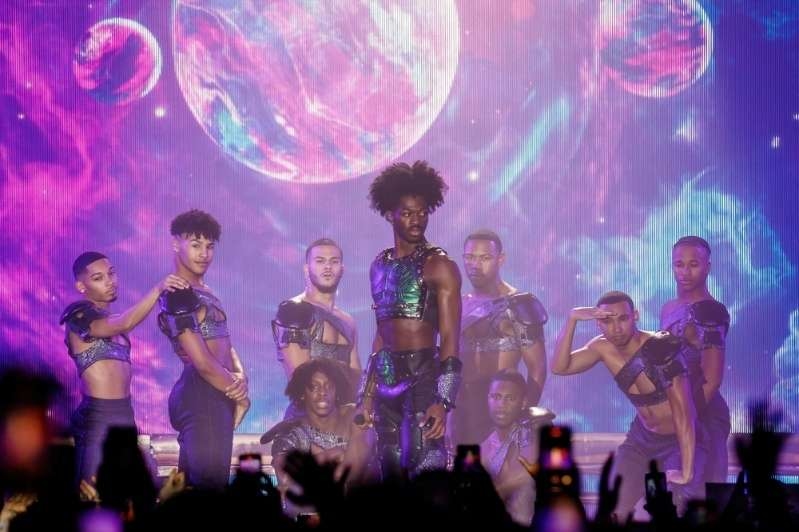
Queer musicians are no longer just underground icons playing strictly to niche, late-night crowds. They are the absolute main event, actively tearing down the outdated rules of how a mainstream star is supposed to act, dress, and perform. By simply existing loudly on massive global platforms, they give young listeners the exact visual representation that older generations desperately lacked growing up. They turn intensely personal struggles with gender identity and societal acceptance into massive stadium anthems that resonate globally.
Must Read: The Best 15 Gay Musicians Who Changed Modern Music
5 Most Popular Queer Music Artists Who Impacted Pop, Rock, and Rap History
You cannot talk about the evolution of modern sound without giving massive credit to the people who took the actual career risks. These five queer music artists entirely rewired their genres and forced the rest of the industry to catch up.
1. Freddie Mercury
He completely destroyed the rigid idea of what a masculine rock frontman had to be. Combining heavy metal energy with theatrical, operatic vocals, he proved that massive stadium rock could be aggressively flamboyant and still sell out arenas.
2. Lil Nas X
He hijacked the country charts first, and then completely flipped the script on hip-hop homophobia. He proved that a gay Black man could absolutely dominate rap radio without dialing back his sexuality or apologizing for his visuals.
3. Elton John
Long before it was safe to be out publicly, he brought wild, unapologetic queer aesthetics to the absolute center of mainstream pop. His piano-driven anthems and insane outfits shaped an entire decade of radio hits.
4. Frank Ocean
He completely shifted the landscape of modern R&B and hip-hop by simply being vulnerable. His open letters and atmospheric tracks proved that rap audiences were actually starving for raw, honest storytelling about same-sex love.
5. SOPHIE
She literally invented the sound of the pop future. As a pioneering trans producer, she took underground electronic music, distorted it into abrasive hyperpop, and fundamentally changed how modern top-40 songs are produced today.
What Makes Queer Artists Special?
It is not just about who they love behind closed doors; it is about how their specific lived experiences directly translate into better, more innovative music. Queer artists constantly operate outside the traditional mainstream bubble, giving them a massive creative advantage over their peers.
1. Total Genre Defiance
They do not care about strict, boring radio categories. Because they already exist outside standard societal norms, they have zero problem aggressively blending heavy metal with disco or trap beats with country acoustic guitars.
2. Raw Lyrical Honesty
Hiding your identity for years is exhausting. When these creators finally hit the studio booth, the lyrics are usually a massive, unfiltered purge of raw emotion that safe, straight pop songs rarely ever touch.
3. Next-Level Visuals
The actual audio is only half the project. They heavily pull from drag, underground ballroom, and club culture to create music videos and tour outfits that blow standard jeans-and-t-shirt bands completely out of the water.
4. Community First Mentality
Their fans are not just basic consumers; they are a found family. These artists intentionally build massive, protective networks around their listeners, making their live concerts feel like actual safe havens.
Top 3 Albums by Queer Artists that You Must Listen to
If you want to actually hear the sonic shifts that completely changed the industry, you need to listen to full projects, not just the catchy radio singles. These three records by LGBTQ+ artists completely redefined what a cohesive album could sound like.
1. "Blonde" by Frank Ocean
This record entirely killed the traditional R&B song structure. It is a moody, drumless, deeply emotional trip that completely changed how modern rap and pop artists approach true vulnerability in their own songwriting.
2. "IGOR" by Tyler, The Creator
He took all the aggressive, dark energy of his early rap days and channeled it into a weird, pitch-shifted pop-funk breakup album about a man. It won a massive Grammy and completely destroyed the boundaries of modern hip-hop.
3. "Brat" by Charli XCX
She took the grimy, sweaty, chaotic energy of underground gay clubs and polished it just enough for the global mainstream. It single-handedly brought aggressive, synth-heavy hyperpop to the absolute center of global culture.
Conclusion
At the end of the day, skipping over the massive contributions of queer music artists means you are actively missing the absolute best parts of music history. They are the ones taking the biggest career risks, wearing the craziest outfits, and writing the lyrics that actually cut deep into the human experience. The mainstream industry owes a massive debt to the underground club kids, the flamboyant rock stars, and the openly gay rappers who flat-out refused to play it safe.
Frequently Asked Questions
1. How did the underground ballroom scene influence modern queer artists?
The underground ballroom scene of the 1980s and 90s essentially birthed modern dance and house music. The heavy, four-on-the-floor beats and aggressive synths used for runway walks directly laid the foundation for the electronic sounds you hear in almost every major pop hit today.
2. Why is the hyperpop genre so heavily dominated by queer music artists?
Hyperpop is all about extreme sonic distortion and completely breaking the rules of traditional song structure. Pitching up vocals to unnatural levels and twisting standard pop sounds into something completely chaotic is a perfect sonic metaphor for trans and queer creators.
3. Did the MTV era help or hurt the careers of queer musicians?
It was a massive double-edged sword. While it allowed highly visual artists to dominate the culture, the network initially banned explicit same-sex videos. It forced creators to rely heavily on coding and hidden messaging.
-1781705290-r.jpeg)