Understanding Heterosexuality: Definition, Origins, & Impact

Key Takeaways
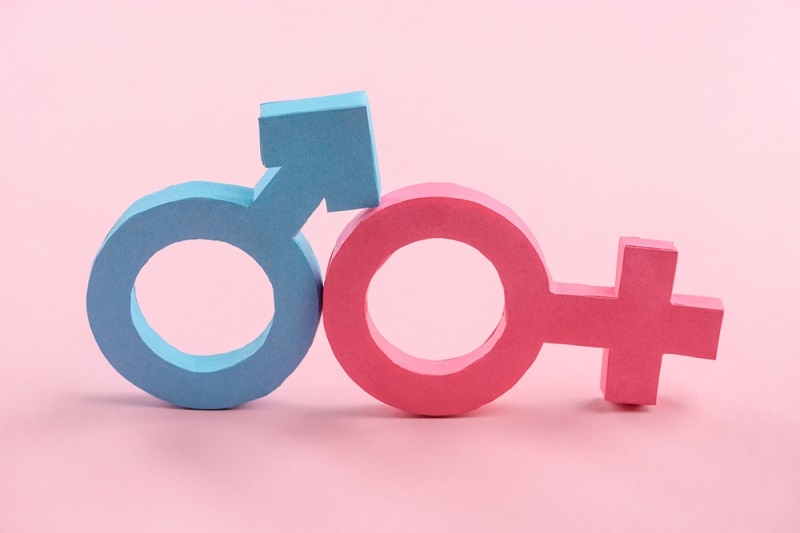
- Heterosexuality refers to romantic or sexual attraction between individuals of opposite biological sexes or gender identities.
- Late 19th-century sexologists first coined the term “heterosexual” to categorize human attraction within medical and social frameworks.
- Societal expectations often establish heterosexuality as the default norm, shaping cultural standards, legal structures, and family dynamics.
- Multidisciplinary research suggests that a complex interplay of genetic, hormonal, and environmental factors influences heterosexual orientation.
- Recognizing heterosexuality as one of many natural human sexual orientations fosters greater inclusivity and social understanding across diverse communities.
Heterosexuality is a commonly discussed sexual orientation and basically defines the attraction between people of the opposite sex. Our world carries billions of people with diverse sexual identities and ways of expressing them. It’s so important to know what it entails, how it progresses, and its cultural significance.
This article will clear up the myths, restore the realities of heterosexuality, and serve as your guide. Let’s read!
What is Heterosexuality?
Heterosexuality, in its essence, refers to the romantic or sexual attraction between persons of opposite sexes. This sexual orientation contains diverse behaviors, relationships, and connections, resulting in families, communities, and external networks. However, the society has somewhat made this orientation a norm, there exists groups of people who preach what they believe in.
Such societal norms has induced an atmosphere with low communication, high expectations, and an overall loss of sexuality identity, where people assume they're heterosexuals by default.
For example, if heterosexuality is a rose in a garden full of different flowers, then external factors like culture, history, and social factors would make it grow stronger with relationships, emotions, and social communities.
Breaking Down Myths About Heterosexuality
Socially, we often have seen many adverse reactions to a person who is different, be it in their sexual orientation or literally any characteristic that is unique than the rest of the society. Thus, our society is filled with people who misunderstand, abuse, or even go against any person’s right to profess, preach, and love what they desire.
This has brought to light the regretful nature of mishandling sensitive and equally important topics like this with myths of the past. Let’s learn something new now!
Myth #1: Heterosexuality means Monogamy
Many assume that all heterosexuals prefer a relationship built on the foundations of Monogamy. However, it all depends on the person. Some prefer creating a life with a single forever partner, while some prefer turning to polyamory and/or open relationships as well.
Myth #2: Heterosexual Relations Lack Depth
Through countless social reforms surrounding patriarchy or feminism, a norm has been set that couples who have been together for a long also go through stagnancy and lack of intimacy in their relationships. However, many such relationships involve strong and healthy partners.
Myth #3: Being Heterosexual is “Normal”
Labeling any sexual orientation is a colossal mistake that invalidates the identities of many others. Every person has a unique beauty in them, allowing them to build their new normals.
The Role of Gender Norms

Gender norms play a huge role in shaping heterosexual relationships. Gender rules go far beyond societal expectations, although they have been dictated by the same for a long time now. We often see a woman expected to take on a nurturing and motherly role, while a man is usually pressured with all the responsibilities in the world. Such emotions highly shape the society we live in.
The question is- is it a free society if it's set with senseless rules?
To challenge such norms, couples often engage in heated discourse and, in some cases, successfully determine their own and the relationship’s norms based on their comfort and preferences. This process nurtures the relationships between any two similarly attracted individuals who care, love, and respect.
Emotional and Psychological Aspects of Heterosexuality
Heterosexuality contains the emotional as well as psychological dimensions of a relationship, along with sex, companionship, and mutual support. Couples who stay long enough with each other go through varied steps of life, navigating insane challenges and facing newer battles every day.
Be it straight or gay, couples have a way of building deep connections that they value and want.
Heterosexuality and Family Dynamics
Family, being a child’s first teacher, often dictates the limits of sexuality. A longstanding societal norm may not even accept anyone with a different orientation. Thus, culture, traditions, values, and expectations heavily influence how a person approaches their relationships within a family photo frame.
Navigating such complex dynamics requires open communication and negotiations to ensure that every person involved receives enough consideration while maintaining peace.
You may also like to read: Navigating LGBTQ+ Challenges: Expert Counseling and Support
Challenges Within Heterosexual Relationships
Some unique challenges are listed below:
- Communication Gaps: Misunderstanding can easily arise when different communication styles try to engage with one another. This discrepancy can lead to frustration, annoyance, and even a breakup in some cases.
- Societal Pressures: It’s no lie that any orientation also comes with a set of rules and expectations. Society expects heterosexuals to be normative and controlled without an inch of individualism. This can impact the dynamic heavily.
- Power Dynamics: Unbalanced gender rules can hamper a relationship’s success. By truly addressing and changing one’s ways, a couple can go miles by just holding each other’s hands.
Heterosexuality and Sexual Health
Sexual health is an important priority in heterosexual relationships and surrounds the physical and emotional. And psychological well-being of a person. Openly communicating about sexual desires, boundaries, and health is a must for every couple to have a happy and fulfilling relationship.
Just remember, we’re all humans who are trying to make it in the world with a partner and some happiness.
Heterosexuality in the Context of LGBTQ+ Perspectives
Understanding sexuality comes with acknowledging its place in the wide spectrum of sexual orientations, such as the LGBTQIA+ identities. The rise of such advocacy has garnered great awareness and acceptance of a diverse set of sexual identities, each unique to the person involved. Recognizing these orientations helps challenge societal norms that target other identities.
By allowing an open conversation about sexuality, its types, and how to discover yours, society can create a more inclusive and welcoming environment for all parties involved.
Conclusion
In conclusion, heterosexuality is a complex and multifactored orientation that contains emotional, psychological, and social dimensions. By understanding its evolution, debunked myths, and the influence of unbalanced gender norms, you can better understand and appreciate the diversity that human beings bring to society.
Heterosexuality exists along with a rich variety of experiences, preferences, and challenges. Having open communication challenges societal wrongs. And gaining inclusivity, let’s all of us aim to lead a life with healthy and fulfilling relationships that celebrate beauty in all of its glory and forms.
As society continues to develop, embracing diversity and open dialogue about sexuality is the only way to break stereotypes and deepen our acknowledgment of varied human experiences. Thus, by caring for and respecting all forms of sexuality, we can collectively cultivate a more inclusive and compassionate society for all.
FAQs
How did Karl-Maria Kertbeny's 1869 coining of the term "heterosexual" originally define the concept?
Karl-Maria Kertbeny coined the terms heterosexual and homosexual in an 1869 political pamphlet advocating for the repeal of Prussian sodomy laws. In his initial conceptualization, Kertbeny defined heterosexuals as individuals driven by natural attraction to the opposite sex, laying the linguistic groundwork for medical sexology.
What did early medical diagnostic manuals like psychopathia sexualis classify as heterosexual deviance?
In Richard von Krafft-Ebing's 1886 work Psychopathia Sexualis, heterosexuality was initially described as a medical condition when non-procreative sexual pleasure or excessive desire was involved. Early 19th-century medical literature viewed erotic passion purely for pleasure—even between opposite sexes—as abnormal before later reclassifying non-procreative opposite-sex attraction as normal.
How did the Kinsey scale challenge binary distinctions between heterosexuality and homosexuality?
Alfred Kinsey's landmark 1948 and 1953 studies introduced a 0-to-6 spectrum rating scale measuring human sexual behavior rather than rigid categories. Kinsey demonstrated that significant portions of the population exhibited varying degrees of both heterosexual and homosexual experiences or desires, demonstrating that human sexuality exists along a fluid continuum.
What is compulsory heterosexuality as conceptualized in feminist social theory?
Feminist scholar Adrienne Rich introduced the concept of compulsory heterosexuality in 1980 to describe how patriarchal societies enforce opposite-sex relationships as mandatory social obligations, particularly for women. This theory argues that societal institutions, media, and economic structures systematically position heterosexuality as the natural default while marginalizing choices.
How do sociological studies differentiate between heterosexual identity, attraction, and behavior?
Sociological research shows that an individual's self-identified sexual orientation does not always align strictly with their sexual feelings or behaviors. For example, some individuals who self-identify as heterosexual may experience occasional same-sex attraction or engagement (often termed heteroflexibility), illustrating that identity labels represent social categorizations alongside internal desires.