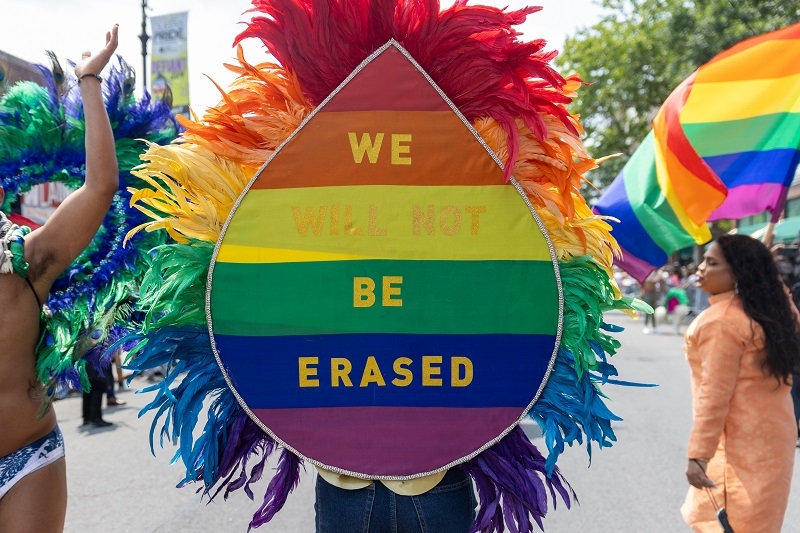
How Many LGBTQ Flags are There, and What Do They Mean?

Key Takeaways
- Understand the meaning behind a Pride flag before flight. Some flags represent a sexual orientation, others a gender identity, and some show community solidarity.
- Every color and symbol means something, so take a minute to learn the history behind the flag you choose.
- If you're unsure and want something that covers the whole LGBTQ+ community, the Progress Pride Flag is your best bet—it's designed to be broad.
- Pay attention to the difference between general LGBTQ+ Pride flags and flags for individual identities, so you represent and communicate with respect.
- And remember, people are still creating new flags, so there’s no set number out there.
LGBTQ flags are much more than just colorful banners—they carry stories of identity, visibility, and pride. You might wonder, “How many LGBTQ flags are there?” The truth is, there’s no final count. Historians and LGBTQ advocates recognize dozens, and new designs pop up as our understanding grows and communities grow.
It all started in 1978, when Gilbert Baker created the original Rainbow Pride Flag with eight stripes. Since then, flags have appeared for all kinds of identities—lesbian, gay, bisexual, transgender, nonbinary, pansexual, asexual, intersex, genderfluid—you name it. Let’s break down the most recognized LGBTQ+ Pride flags, LGBTQ+ flags' meanings, and why they matter.
What are LGBTQ Flags?
LGBTQ+ flags’ meaning is the symbolic representation of diverse sexualities, genders, and communities under the rainbow umbrella, and you can often find them at Pride parades, in schools, or on social media. Not only are they a form of self-expression, but flags also promote awareness, foster inclusion, and encourage dialogue that is meaningful and important. While the Rainbow Flag is indisputably the most recognizable, it is just one in a vast collection.
10 LGBTQ Flags of 2026
Here they are:
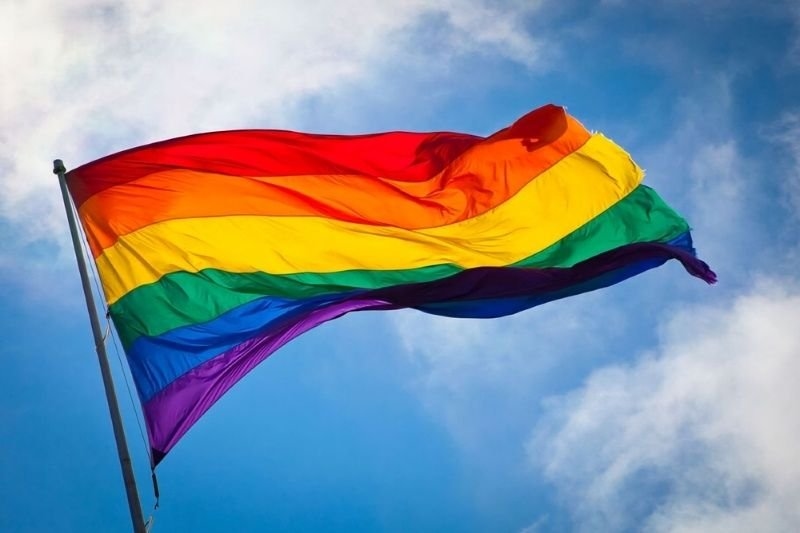
1. Rainbow Pride Flag
Colors and Meaning:
Red: Life
Orange: Healing
Yellow: Sunlight
Green: Nature
Blue: Harmony
Violet: Spirit
The six-color rainbow flag is the symbol for LGBTQ pride around the world. It represents everyone in the LGBTQ+ community. You’ll spot it everywhere—from parades to government buildings to classrooms. It’s the flag most of the newer designs build off, and its message is loud and clear: everyone’s included.
2. Progress Pride Flag
Colors and Meaning:
Rainbow stripes (as above)
Black and brown: LGBTQ+ people of color
Light blue, pink, white: transgender/nonbinary community (borrowed from the trans flag)
Daniel Quasar brought us the Progress Pride Flag in 2018 to call attention to inclusion and positive change. These extra stripes highlight groups who’ve faced extra hurdles and push for real progress. If you want to show support for everyone, this is the flag.
3. Lesbian Pride Flag
Colors and Meaning:
The five-stripe version uses the popular orange, white, and pink color scheme. The stripes stand for gender nonconformity, independence, community, serenity, peace, and femininity. It’s one of the most visible identity flags today and recognizes the variety of lesbian experiences.
4. Bisexual Pride Flag
Colors and Meaning:
Pink: Attraction to same gender
Purple: Attraction to more than one gender
Blue: Attraction to a different gender
Michael Page designed this in 1998. It’s still the go-to for bisexual visibility, with the purple blending pink and blue to show attraction across genders.
5. Transgender Pride Flag
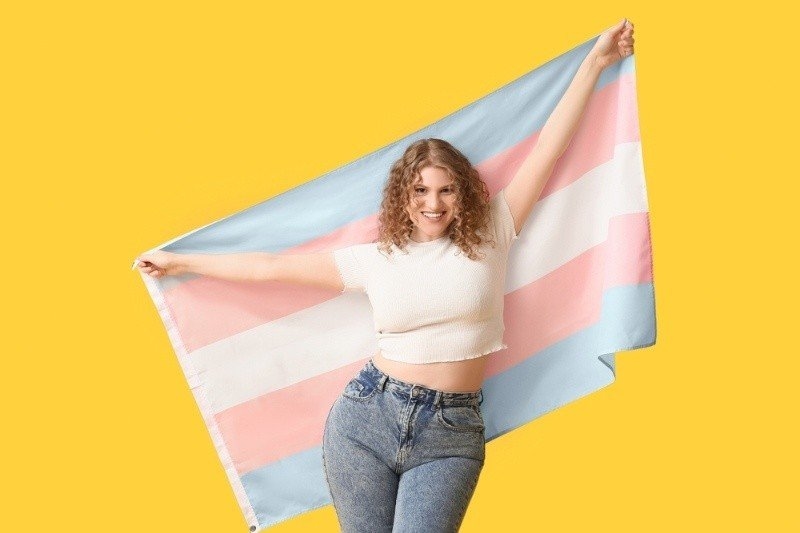
Colors and Meaning:
Light blue: Boys
Pink: Girls
White: Nonbinary, transitioning, or undefined gender
Monica Helms created this flag in 1999, and its symmetry means it’s always flying “right side up,” symbolizing the ongoing journey toward truth and identity.
6. Nonbinary Pride Flag
Colors and Meaning:
Yellow: Outside the male/female binary
White: Many or all genders
Purple: A mix of male and female
Black: No gender
Created by Kye Rowan in 2014, this one flies for those who don’t fit the male/female box. It’s grown more recognized every year.
7. Pansexual Pride Flag
Colors and Meaning:
Pink: Attraction to women
Yellow: Attraction to nonbinary people
Blue: Attraction to men
For those who are attracted regardless of gender identity, this flag says gender isn’t the deciding factor. It’s all about the person.
8. Asexual Pride Flag
Colors and Meaning:
Black: Asexuality
Gray: Gray-asexual and demisexual identities
White: Allies and non-asexual partners
Purple: Community
Asexuality Pride – a flag designed to raise awareness about the diverse spectrum of asexual lives and confirm to all asexual people out there that this is a viable orientation.
9. Intersex Pride Flag
Colors and Meaning:
Yellow background: Gender neutrality
Purple circle: Wholeness, autonomy
Intersex Human Rights Australia introduced this one in 2013. It avoids typical “boy/girl” colors, keeping the focus on bodily autonomy and identity.
10. Genderfluid Pride Flag
Colors and Meaning:
Pink: Femininity
White: No gender
Purple: Combination of genders
Black: All genders
Blue: Masculinity
People whose gender changes over time fly this flag—the mix of colors shows how fluid and shifting gender can be.
How Many LGBTQ Flags are There?
No one has pinned down an exact number. Most resources list somewhere between 30 and 50 Pride flags you’ll see often, but when you count all the variations and new community creations, the list just keeps growing.
Common Categories
- Sexual Orientation: Lesbian, Gay, Bisexual, Pansexual, Asexual
- Gender Identity: Transgender, Nonbinary, Genderfluid, Agender
- Community Inclusion: Rainbow, Progress Pride, Intersex-Inclusive Progress
LGBTQ+ identities and communities keep changing, so new flags keep popping up to better represent people’s experiences.
Must Try: 8 Unknown Facts About the Pride Flag that You Must Know
All Pride Flags and Their Meanings at a Glance
Here’s a quick cheat sheet: Every flag above stands for a particular identity, experience, or call for inclusion.
| Flag | Represents |
| Rainbow | Entire LGBTQ+ Community |
| Progress Pride | Inclusive LGBTQ+ Representation |
| Lesbian | Lesbian Identity |
| Bisexual | Attraction to More Than One Gender |
| Transgender | Transgender Identity |
| Nonbinary | Nonbinary Identity |
| Pansexual | Attraction Regardless of Gender |
| Asexual | Asexual Spectrum |
| Intersex | Intersex People |
| Genderfluid | Fluid Gender Identity |
Knowing them at a glance helps you connect, show respect, or just understand the rainbow of stories around you.
Why LGBTQ Flags Matter?
These flags aren’t mere symbols—they're lifelines, particularly to our LGBTQ+ communities, to anyone seeking community. When these flags go up, they signify safety; they signify that this is the place to be for me and everyone who may feel on the fringes.
They serve as launchpads for conversation and demand recognition from your work, home, and the outside world, and they manifest authentic support that people deserve. Although many might think these flags are an insignificant addition, they genuinely enable people to feel acknowledged.
Conclusion
LGBTQ flags tell a story—a story that's still being written. From the original rainbow stripes to the dozens of newer identity flags, each one says, "You matter, you belong.” There’s no simple answer to how many exist, but learning the meaning behind even a few helps foster respect and awareness. Dive into more community guides if you want to keep learning and building bridges. These symbols help all of us understand ourselves, support each other, and make our world a little more welcoming.
Don’t stop at just recognizing the flag. Get to know what it means, who it represents, and how to use it with care. That kind of understanding may seem small, but it makes a big difference—online and in real life. It reminds people they’re not alone, and they deserve respect.
FAQs
What is the Oldest LGBTQ Flag?
That’d be the original Rainbow Pride Flag, designed by Gilbert Baker in 1978 for San Francisco’s Gay Freedom Day Parade. It started with eight colors, not six, but grew into the global symbol for LGBTQ pride, visibility, equality, and community.
Why Does the Progress Pride Flag Include Black and Brown Stripes?
Those stripes honor LGBTQ+ people of color and shine a spotlight on racism and the need for inclusion inside the community. The black stripe also pays tribute to those lost to HIV/AIDS and the fight for equality and justice.
Are LGBTQ Flags the Same Everywhere?
The core meanings stick, but different countries or regions might emphasize certain flags more—or create new ones—depending on their local cultures, challenges, or history. Some places have their own regional symbols on top of the big ones.
Can Someone Display More Than One Pride Flag?
Absolutely. Lots of people fly a few flags to show all their identities or stand with other groups. For example, someone might use both the Progress Pride Flag and the Nonbinary Pride Flag at the same time.
What Should I do If I’m Unsure Which Pride Flag to Use?
When in doubt, grab the Rainbow or Progress Pride Flag—they’re open to everyone and won’t send the wrong message. And if you’re unsure about a flag, ask or read up. Being curious and respectful goes a long way toward real support.


-1781705290-r.jpeg)