5 LGBTQ Workplace Discrimination that is Extremely Common


LGBTQ workplace discrimination is about unfair treatment based on identity or orientation at work. It affects hiring, promotions, and even simple daily interactions in many workplaces today.
This blog will help you find out the most common forms of discrimination that the LGBTQ+ community faces in the workplace regularly.
Must Read: LGBTQ Social Acceptance in 2025: Shifts and Challenges
Understanding LGBTQ Workplace Discrimination in Daily Work Life
It does not always look obvious. Sometimes it is quiet, almost invisible, but it stays there in everyday work situations. LGBTQ+ workplace discrimination often shows up in small decisions that slowly build into bigger problems.
An employee may not be openly targeted, yet they feel something is off. They notice who gets opportunities, who is included in discussions, and who is left out without explanation. These patterns are not always spoken about, but they are understood.
Many workplaces say they support diversity and inclusion, yet their actions do not always match their words. That gap is where discomfort begins. Employees start adjusting themselves, holding back opinions, or avoiding conversations that feel risky.
5 LGBTQ Workplace Discrimination That is Extremely Common
The 5 most common LGBTQ workplace discrimination issues are explained in the following list:
1. Hiring That Feels Selective
The process may look fair on paper, but decisions sometimes tell a different story. Candidates with strong qualifications are overlooked quietly. There is no clear reason given, yet the pattern becomes visible over time.
2. Growth That Slows Down Without Explanation
Promotions do not always depend on performance alone. Some employees keep waiting while others move ahead. It creates confusion because there is no clear feedback, just a feeling that something is being held back.
3. Casual Comments
Jokes, remarks, or passing comments may seem harmless to some people. But repeated over time, they create an environment that feels uncomfortable and unwelcoming. It builds pressure, slowly but surely.
4. Opportunities That Do Not Come Equally
Important tasks, leadership roles, or visible projects are not always distributed fairly. Some employees are seen more often, while others remain in the background without a clear reason.
5. Constant Need to Stay Careful
Many employees think twice before speaking about their personal lives. They adjust how they talk, what they share, and even how they behave. It becomes a daily habit, and it is exhausting.
How Inclusive Workplace Policies Shape Everyday Work Culture?
Inclusive workplace policies are meant to guide behavior, not just sit in documents. When they are clear and followed properly, they reduce confusion and help people understand what is acceptable and what is not.
Without strong policies, employees often rely on assumptions. That is where inconsistency begins. One team may feel supportive, while another feels completely different. It depends too much on individuals instead of a shared standard.
Inclusive workplace policies also give employees a sense of security. They know there is a system in place if something goes wrong. It may not fix everything instantly, but it creates a starting point.
Diversity and Inclusion in Real Work Situations
Diversity and inclusion are often spoken about in meetings, presentations, and internal messages. But the real test is how people behave during everyday work moments.
It shows up in who gets heard during discussions. It shows up in how feedback is given. Sometimes, even in who gets interrupted and who does not. These small things matter more than big statements.
When diversity and inclusion are actually practiced, employees feel more comfortable sharing ideas. There is less hesitation. Conversations feel natural, not forced.
But when it is missing, people start pulling back. They speak less. They participate less. And slowly, they disconnect from the team without anyone noticing immediately.
It is not always dramatic. Sometimes it is just a slow change that builds over time.
LGBTQ Employee Rights and Their Importance in Workplaces
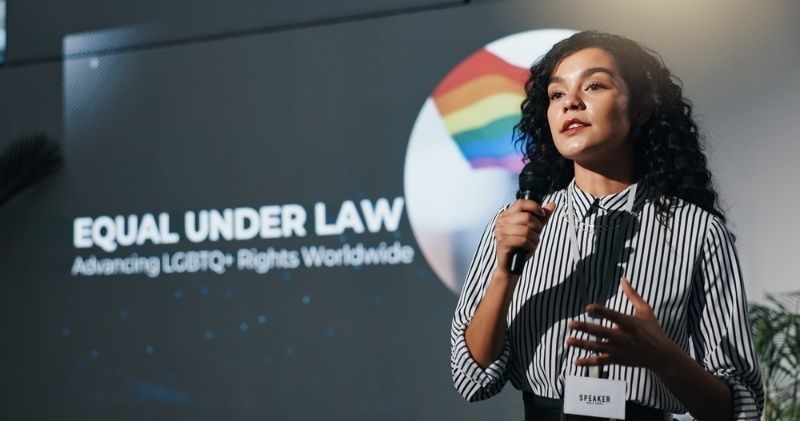
You can refer to the following list to understand the importance of LGBTQ employee rights:
Basic Protection at Work
LGBTQ employee rights exist to protect individuals from unfair treatment. They help ensure that employees are judged based on their work, not their personal identity.
A Workplace That Feels Safe
Safety is not only physical. It is also about feeling comfortable while speaking, working, and interacting. These rights support that sense of security.
Fair Access to Growth
Career opportunities should be based on performance. LGBTQ employee rights help create that balance, even though it may not always be perfect in practice.
Clear Ways to Raise Concerns
Employees need proper channels to report issues. Without them, problems stay hidden. These systems help bring attention to situations that need to be addressed.
Respect as a Daily Practice
Respect is not a one-time effort. It is part of everyday behavior. These rights support a work environment where people feel valued consistently.
How is Workplace Equality Built Over Time?
Workplace equality is often discussed as a goal, but reaching it takes time. It is not about one decision or one policy. It is about consistent actions that slowly change how people experience work.
When employees feel they are treated fairly, they become more involved in their work. They share ideas more openly. They take part in discussions without hesitation. It creates a better flow within teams.
Workplace equality also affects how long people stay in a job. When the environment feels stable and respectful, employees are less likely to leave. It builds continuity, which helps organizations grow steadily.
Why LGBTQ Workplace Discrimination Still Needs Attention?
LGBTQ workplace discrimination does not always come from one major issue. It often builds through smaller actions that go unnoticed or ignored. That is why it continues to exist, even in workplaces that believe they are doing well.
Addressing it requires awareness first. People need to notice what is happening around them. After that, it becomes about taking small but consistent steps.
It is not about creating a perfect workplace overnight. It is about reducing the gap between what is said and what is done.
When that gap becomes smaller, employees begin to feel the difference. And that is when real change starts to happen.
Conclusion
LGBTQ workplace discrimination continues to affect everyday work experiences in subtle and visible ways. Addressing it requires consistent effort, clear direction, and fair behavior. When workplaces move toward equality, employees feel more secure and involved. Over time, this creates a better environment where people can work without hesitation or discomfort.
Frequently Asked Questions
1. What is LGBTQ workplace discrimination?
It refers to unfair treatment of employees based on identity or orientation, affecting hiring, promotions, and everyday work interactions.
2. Why is it often hard to identify discrimination?
This is because it is not always direct. It often appears in small actions, decisions, or patterns over time.
3. Why do employees sometimes hide their identity?
They may fear negative reactions or limited opportunities, leading them to stay cautious in workplace interactions.



-1781705290-r.jpeg)