How Actions Against LGBTQ Students Impact K-12 Teachers?

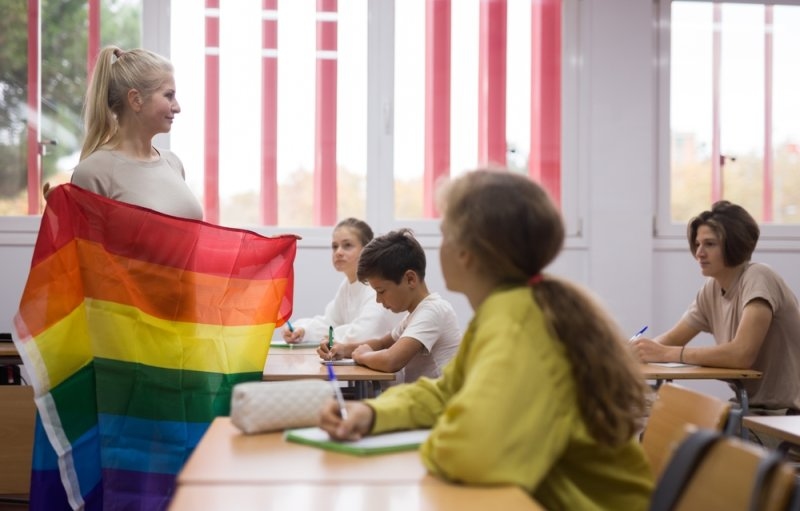
When politicians start treating classrooms like ideological battlegrounds, the collateral damage hits the faculty lounge immediately. You cannot pass restrictive laws targeting the exact identities of kids in a classroom without severely impacting the adults paid to teach them. The rapidly shifting political climate means the daily reality for LGBTQ students is highly volatile.
Understanding the Current Climate for LGBTQ Students in Schools
This crackdown does not just hurt a minority; it damages the entire educational framework. When the government dictates exactly what social facts can and cannot be acknowledged, every single person inside the building loses. History teachers cannot teach civil rights movements accurately, and English teachers cannot assign deeply relevant modern literature. The sheer paranoia of slipping up and violating a vague cultural law forces general educators to dumb down their curriculum, ultimately robbing every student in the room of a comprehensive, high-quality education.
Top Pick: Empowering LGBTQ+ Students: Know Your Rights and Resources
Why LGBTQ Teachers are Getting Caught in the Crossfire?
Here is exactly how restrictive legislation is actively cornering the educators themselves:
1. Forced isolation and hiding personal identities
Educators who identify with the community are being pushed straight back into the closet by their own school districts. LGBTQ teachers constantly face the threat of severe disciplinary action, public backlash, or total job loss simply for mentioning their own spouses in passing or putting a family picture on their desk. They are legally forced to compartmentalize and hide their actual lives, policing their own daily conversations just to keep their careers intact.
2. Total loss of classroom autonomy and trust
Teachers are walking on eggshells every single day when they step into the building. Even in states that have not enacted official government restrictions, the looming fear of aggressive parents or rogue, politically motivated administrators leads to widespread self-censorship. Instructors actively pull inclusive literature from library shelves and completely dodge relevant social topics. They cannot risk a sudden professional execution for a basic lesson plan that happens to mention a diverse historical figure.
3. Severe professional burnout and industry exit
You cannot expect skilled educators to operate at a high level when they are constantly worried about breaking vague, newly established cultural laws. The massive emotional toll of watching marginalized kids get targeted in the hallways, while being legally banned from stepping in to defend them, leads to extreme mental burnout. This hostile, high-stress environment is not just making the job harder; it is actively driving highly qualified, desperately needed professionals straight out of the K-12 education sector entirely.
Fight for LGBTQ student rights in the Classroom
Understand what is actually happening on the ground when these legal boundaries shift:
1. Targeting fundamental affirmation and daily routines
Recent legislation completely guts basic accommodations that keep kids safe. Lawmakers are aggressively rolling back LGBTQ student rights by legally preventing kids from using restrooms or locker rooms that align with their gender identity. They are also blocking them from participating in standard school sports. The ultimate goal of these policies is to make their daily existence inside the school building as uncomfortable and isolating as physically possible.
2. Weaponizing forced outings against vulnerable youth
One of the absolute most dangerous trends in modern education is the legal mandate forcing teachers to act as informants for the state. Certain states now explicitly require school staff to immediately report a student directly to their parents if that child requests a different name or pronoun during class. This violently rips away the classroom's role as a trusted safe haven and actively endangers kids who live in unsupportive, highly volatile home environments.
3. Erasing representation from the academic curriculum
This battle extends far beyond bathroom access; it is a full-scale erasure of history and literature from the public school system. The current crackdown legally censors any textbook, library book, or open class discussion that even briefly mentions different sexual orientations or gender identities. It completely removes any mirror these kids have to see themselves in their own education, signaling that their existence is inappropriate for academic study.
How Can Schools Support LGBTQ Students Despite Restrictions?
Even with strict laws looming overhead, administrators and building staff still have tactical tools to protect their classrooms:
1. Establish and enforce zero-tolerance bullying frameworks
You do not need a specialized cultural law to stop kids from getting harassed in the cafeteria. Schools can immediately implement and ruthlessly enforce broad, generalized anti-bullying frameworks that protect every single person in the building. When a student uses a homophobic slur or targets a classmate, the staff must step in instantly and issue real, unbending consequences without any hesitation.
2. Provide private and highly accessible mental health resources
When teachers are legally restricted from having open, supportive conversations, the campus counseling office has to step up and fill the void. Knowing how schools can support LGBTQ students means ensuring that guidance counselors and on-campus social workers are fully equipped and legally protected. They must be available to handle severe anxiety, depression, and identity struggles in a private, completely confidential setting where the student feels genuinely safe.
3. Foster and protect student-led inclusive organizations
Even if the core academic curriculum is heavily censored by the state, federal law often protects the right of the student body to form non-curricular clubs. Schools must actively support the creation of Gay-Straight Alliances (GSAs) or similar peer-led support groups. Giving these kids a physical, school-sanctioned space to gather, vent, and organize provides a massive psychological safety net when the actual classroom instruction feels entirely hostile.
Conclusion
Ignoring the fallout of these restrictive laws is a massive mistake. When state legislatures launch aggressive campaigns targeting LGBTQ students in schools, the shockwaves rip right through the faculty. You cannot strip away LGBTQ student rights and mandate forced outings without destroying the safety and autonomy of the educators trying to keep the system running.
Frequently Asked Questions
1. What specific federal protections currently exist for LGBTQ students in public education?
Title IX of the Education Amendments of 1972 operates as the main federal shield against sex-based discrimination in any publicly funded program. While the exact regulatory definitions constantly shift depending on the political administration in power, federal courts increasingly use this law as a concrete baseline to strike down discriminatory local policies that actively target LGBTQ students.
2. How does a hostile school climate directly affect the academic performance of LGBTQ students?
Forcing students to navigate a toxic, unsupportive environment completely derails their academic trajectory. When LGBTQ students deal with unchecked hallway harassment or a total lack of physical safety on campus, the data proves their chronic absenteeism spikes, their grade point averages tank, and their overall chances of pursuing higher education drop drastically.
3. Are private academies legally required to accommodate LGBTQ students like public institutions?
Private academies generally function entirely outside the strict boundaries of federal mandates unless they actively accept direct federal funding. Because they operate as independent entities, many religious and private institutions legally enforce strict admissions policies and behavioral codes that completely bypass the basic nondiscrimination protections standardly required for LGBTQ students inside the public school system.


-1781705290-r.jpeg)