What are the Most Harmful Bisexual Stereotypes Today?

Quick Takeaways
- Unpacking harmful bisexual stereotypes is essential for building inclusive communities and reducing mental health disparities.
- According to research from the Trevor Project, bisexual individuals make up over 50 percent of the LGBTQIA community yet face unique bisexual erasure.
- Bisexuality refers to attraction to more than one gender identity, regardless of current relationship status.
- Challenging common bisexual myths reduces bi-phobia and promotes genuine understanding across diverse social spaces.
- Affirming queer identities through active listening and inclusive language creates safer environments for everyone.
Navigating personal identity in a world obsessed with rigid labels can feel like an overwhelming and isolating journey. Dismantling harmful bisexual stereotypes is critical to fostering authentic empathy and mental well-being for millions of individuals worldwide. Research conducted by the Trevor Project reveals that over 50 percent of LGBTQIA individuals identify as bisexual, yet they experience significantly higher rates of anxiety and depression due to double marginalization from both heterosexual and queer communities.
Feeling invalidated by mainstream culture creates invisible barriers to self-acceptance and emotional safety. Misunderstanding sexual fluidity often leads to harmful assumptions that hurt real people in their everyday personal relationships. In this comprehensive guide inspired by LGBTQIA counseling standards, we will explore what bisexuality means, break down of persistent bisexuality misconceptions, analyze common stereotypes, offer practical support strategies, and answer your top community questions.
What is Bisexuality?
Understanding what is bisexuality begins with recognizing that sexual orientation exists along a rich and fluid spectrum. Bisexuality describes an individual who experiences emotional, romantic, or sexual attraction to people of more than one gender identity.
Attraction does not need to be equally split between genders, nor does it require equal experience with different partners. A person's identity remains completely valid regardless of whether they are currently single, dating, or in a long-term monogamous partnership.
What are the Common Bisexual Misconceptions and Myths?
Debunking bisexual misconceptions helps break down systemic bi-erasure and fosters deeper community connection:
- Myth vs. Reality on Phasing: The belief that bisexuality is just a transitional phase ignores lived experiences; in reality, bisexuality is a distinct, valid, and permanent identity for millions.
- Myth vs. Reality on Fidelity: The assumption that bisexual individuals are naturally incapable of monogamy confuses attraction capacity with relationship structure; in reality, relationship ethics depend on personal commitments, not sexual orientation.
- Myth vs. Reality on Decisiveness: The stereotype that bisexuals are simply confused or indecisive stems from binary thinking; in reality, attraction to multiple genders reflects clear self-awareness and fluid capacity.
Try This: Addressing Bisexual Discrimination: Causes, Protections, Etc
Addressing these false narratives allows us to treat every individual with the dignity and respect they deserve.
What are the Common Bisexual Stereotypes in Everyday Culture?
Examining common bisexual stereotypes reveals how media portrayals and social biases reinforce harmful stigma in daily life.
The Myth of Inherent Promiscuity
One of the most persistent misconceptions is that bisexual individuals are naturally incapable of maintaining faithful, monogamous relationships. Attraction to multiple genders does not dictate a person's relationship ethics or moral character. Like anyone else, bisexual individuals value honesty, trust, and deep commitment in personal relationships.
The Misconception of a Temporary Phase
Another widespread assumption claims that bisexuality is merely a temporary stepping stone toward identifying as strictly gay or heterosexual. This erasure dismisses bisexuality as an independent, enduring sexual orientation, forcing individuals to constantly defend their authentic identity.
The Stereotype of Attention-Seeking Behavior
Bisexual women, in particular, are frequently hyper-sexualized or accused of performing their orientation for male validation. Conversely, bisexual men often face erasure by being labeled as closeted gay men who are afraid to fully come out. Both assumptions undermine genuine personal experiences.
Comparing Misconceptions and Reality in Bisexual Identity
Evaluating common bisexual myths against lived realities highlights the importance of inclusive education:
| Popular Myth | Real-World Reality |
| Bisexual people are greedy or indecisive | Attraction to multiple genders reflects capacity, not greed or indecision |
| Monogamy is impossible for bisexuals | Relationship structure depends on personal values, not sexual orientation |
| Gender binary limits bisexual attraction | Bisexuality includes attraction to non-binary and trans individuals |
| Current partner determines orientation | Being in a relationship does not erase a person's underlying identity |
How to Support Bisexual People and Foster True Inclusivity?
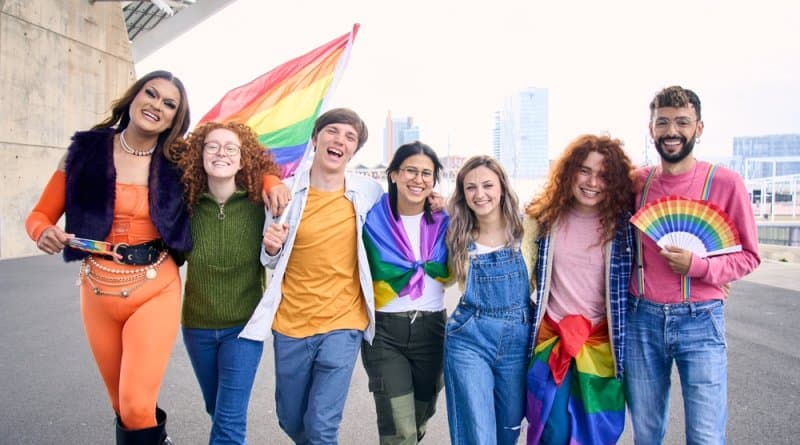
Learning how to support bisexual people creates welcoming environments in homes, workplaces, and social circles:
- Validate Self-Identification: Accept a person's declared identity without questioning their past dating history or current partner.
- Avoid Assumption-Based Language: Refrain from assuming someone is heterosexual or homosexual based solely on who they are currently dating.
- Challenge Bi-Phobic Jokes: Speak up against bi-erasure and derogatory humor in personal conversations and professional settings.
- Educate Yourself Continuously: Read inclusive resources and listen directly to bisexual voices to understand their unique lived experiences.
Implementing these supportive steps transforms empathy into meaningful allyship.
Must Try: Pansexuality and Bisexuality: What Are The Key Differences?
Conclusion
Understanding and dismantling harmful bisexual stereotypes is a vital step toward creating a compassionate and inclusive world for everyone. Throughout this guide, we explored the true meaning of bisexuality, analyzed common myths, challenged harmful stereotypes, and detailed actionable steps for active allyship.
Overcoming bi-erasure requires unlearning outdated cultural assumptions and validating each person's unique journey. When we foster open dialogue and respect diverse identities, we empower individuals to live authentically without fear of judgment. Embracing human diversity enriches our communities and strengthens our collective emotional well-being. Finding welcoming spaces where your true self is celebrated makes all the difference in your personal journey.
Are you ready to join a supportive community, connect with like-minded individuals, and celebrate authentic living? Explore inclusive resources and join vibrant community discussions today!
FAQs
How does bisexual erasure impact mental health in the lgbtqia community?
Bisexual erasure causes significant psychological distress by leaving individuals feeling invisible within both heterosexual and queer spaces. This lack of community validation often contributes to higher rates of anxiety, depression, and social isolation, highlighting the urgent need for inclusive mental health support systems.
What is the difference between bisexuality and pansexuality?
Bisexuality refers to attraction to more than one gender, whereas pansexuality describes attraction to people regardless of their gender identity. While these orientations overlap significantly, individuals choose the label that best aligns with their personal understanding of identity and attraction.
Why is Bi-Phobia present within both straight and queer communities?
Bi-phobia stems from rigid societal norms that favor binary thinking regarding sexual orientation. Heterosexual spaces may view bisexuality with suspicion, while some queer spaces incorrectly perceive bisexual individuals as possessing conditional heterosexual privilege, leading to double marginalization.
How can employers create bisexual-inclusive workplaces?
Employers can build bisexual-inclusive workplaces by incorporating explicit bi-inclusive language in anti-discrimination policies, offering diversity training that addresses bi-erasure, supporting employee resource groups, and ensuring healthcare benefits cover diverse partner structures without bias.
How can parents support a child who comes out as bisexual?
Parents can support a child by listening with unconditional love, validating their identity without calling it a phase, educating themselves about LGBTQIA issues, avoiding assumptions about future partners, and ensuring their home remains a safe, affirming space.