Impact and Possible Rollbacks of Project 2025 LGBTQ Rights

Key Takeaways
- Implementing conservative policy frameworks systematically dismantles federal non-discrimination protections across healthcare, housing, and civil service sectors.
- Reclassifying legal definitions of sex to strict biological binaries undermines transgender recognition and eliminates federal gender-affirming care funding.
- Restricting federal grants and educational guidelines limits LGBTQ+ history curricula and diversity initiatives within public school systems.
- Empowering faith-based exemptions allows adoption and foster care agencies to exclude same-sex couples from placement programs.
- Grassroots advocacy networks and legal defense funds remain essential to protecting vulnerable queer youth and senior populations. The recent months have seen the growing concern over the Project 2025 LGBTQ rights and what can be impacts for the community. The shift in political landscapes has created a lot question around the Project 2025 LGBTQ rights and how might it will affect the existing conditions.
This blog will explore the doubts surrounding the Project 2025 LGBTQ rights impact because it is not just a political issue, but it is about the people, their identity and lifestyle.
Understanding the Project 2025 LGBTQ Rights Impact
Project 2025 is a vision for the future of national governance. However, it comes with sweeping proposals that appear to impact the different aspects of American life. The Project 2025 LGBTQ rights can even affect various parts of the society. It can change how education and healthcare system look at the LGBTQ narratives. This is the reason it is not just a political debate, it is about the millions lives.
Those monitoring the situation are especially concerned about how LGBTQ-inclusive policies could be reversed or redefined under new ideological frameworks. The tone and language used in proposed policies have led to deeper scrutiny from advocacy groups, many of whom argue that some portions of Project 2025 seem to aim for a rollback of protections.
Project 2025 LGBTQ Rights Rollback
There are growing fears of a Project 2025 LGBTQ rights rollback. If some of the outlined proposals were to move forward, here are potential changes that might arise:
Education
Curriculums could shift away from LGBTQ-inclusive materials. Some states might feel empowered to limit representation in school libraries and classroom content.
Healthcare
Protections for gender-affirming care, especially for trans youth, might face legal challenges or restrictions under redefined federal guidelines.
Federal Protections
Rules surrounding anti-discrimination laws in housing and employment could be altered, potentially weakening current safeguards.
Funding and Support
Community organizations supporting LGBTQ individuals may find funding opportunities shrinking, with fewer federal grants or institutional partnerships.
While none of these changes are guaranteed, the language in certain sections of Project 2025 has raised enough red flags to prompt action from civil rights observers.
LGBTQ Rights Project 2025
When examining LGBTQ rights Project 2025, it becomes clear that this isn't just about legislative shifts. It's about the cultural backdrop against which these shifts are proposed. For decades, the LGBTQ community has worked tirelessly to gain recognition, equal rights, and protection from discrimination.
With Project 2025, that progress may be questioned or slowed. The broader narrative seems to reflect a push for traditional values, often positioned in contrast to what LGBTQ rights advocates have fought for. This isn't to suggest every element of Project 2025 directly targets LGBTQ individuals. But the indirect consequences of certain proposals could be just as significant.
The challenge lies in balancing constitutional freedoms with the need for equal treatment. If policies are written in ways that subtly allow discrimination or diminish visibility, the LGBTQ community could face setbacks in both law and daily life.
What Does Project 2025 Say About LGBTQ Rights?
A central question remains is that what does Project 2025 say about LGBTQ rights in clear, actionable terms? The answer is complex. Some sections of the plan suggest a reorientation of federal agencies away from identity-based initiatives. That may include reducing funding for diversity, equity, and inclusion programs or removing identity-specific training requirements in government institutions.
Other parts imply a possible return to more "neutral" definitions of civil rights, which critics argue could erase recognition of LGBTQ-specific challenges. Language surrounding gender, sexuality, and education has become a focal point for both support and concern.
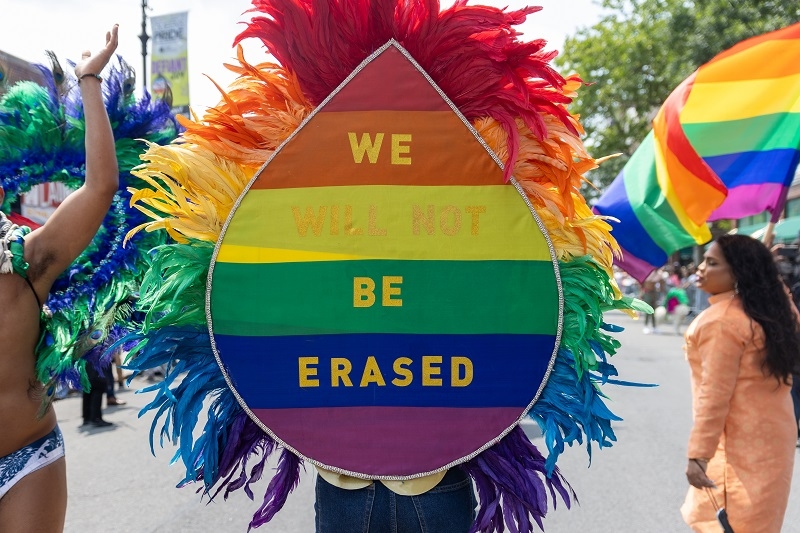
For those supporting LGBTQ rights, even the idea of neutrality can feel like a form of erasure. If policies fail to acknowledge identity-based disparities, then they risk reinforcing existing inequalities.
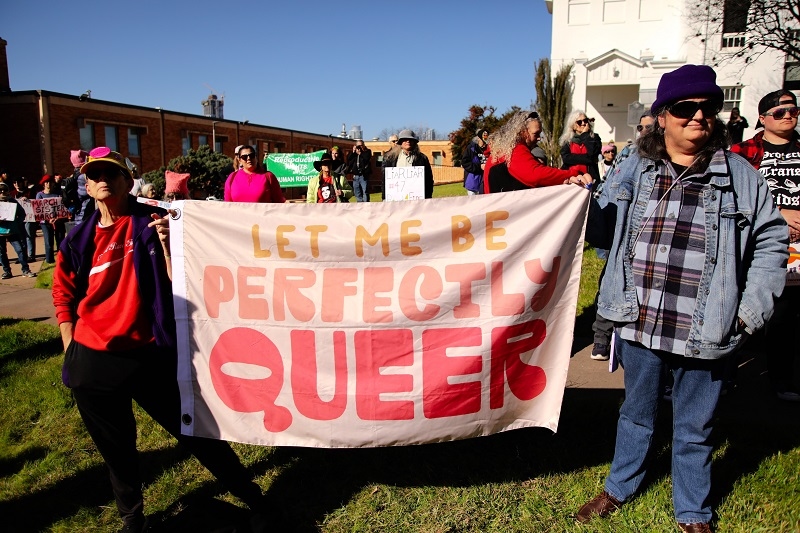
Project 2025 and LGBTQ Rights in Public Discourse
It is important to recognize how Project 2025 and LGBTQ rights are being discussed in broader public and political circles. On one side, there are those who view the plan as a necessary reset for traditional values and limited government. On the other, there are critics who see it as a coded attempt to roll back decades of progress.
The public discourse reflects a nation divided on how to define freedom, fairness, and inclusion. In the midst of that debate, LGBTQ individuals and their allies are left to defend not only rights but also recognition. Media narratives have played a large role in shaping perception. While some outlets frame Project 2025 as a bureaucratic blueprint, others frame it as an existential threat to civil rights.
The truth likely lies somewhere in the middle, but the urgency of the conversation suggests that the stakes are high. When it comes to identity, belonging, and basic human dignity, every policy shift matters.
Project 2025 on LGBTQ Rights
There are several key areas where Project 2025 on LGBTQ rights may have direct or indirect influence:
School Policy
Local education boards might gain more autonomy to implement or remove LGBTQ-inclusive policies.
Military Service
Guidelines around service eligibility and identity expression could be revisited.
Workplace Protections
Agencies responsible for enforcing equal employment laws might experience changes in scope or mission.
Religious Exemptions
Legal language may expand protections for religious institutions, potentially clashing with anti-discrimination principles.
Surveillance and Data
Federal tracking of hate crimes or LGBTQ-related statistics may become less prioritized, impacting advocacy efforts.
Each of these areas connects back to the central issue: how federal philosophy influences public life. The question isn't just what laws are written, but how they are interpreted, enforced, and prioritized.
A Reminder that the Rights Can Be Reversed
The LGBTQ rights movement has seen both sweeping victories and painful setbacks. From the decriminalization of same-sex relationships to marriage equality, history has shown that rights are not always linear. They evolve, sometimes regress, and are often shaped by the political moment.
Project 2025 LGBTQ rights concerns are not abstract fears. They are grounded in a long tradition of policies being shaped by prevailing ideologies. This moment serves as a reminder that progress, while powerful, is never permanent without protection.
It’s also a call for vigilance. Civic engagement, legal oversight, and public awareness are tools that can help ensure hard-won freedoms are not quietly dismantled.
Conclusion
At the heart of the debate over Project 2025 LGBTQ rights resides a crucial question that is what defines equality in modern society? For many LGBTQ individuals, the fear is not just the policy change, but the message it sends about their place in the national story.
This is not only a legal issue, but it is about the visibility, safety, and dignity of the LGBTQ community.
FAQs
How do federal administrative changes impact Section 1557 of the Affordable Care Act regarding gender identity discrimination?
Administrative updates to Section 1557 redefine sex discrimination to exclude gender identity and sexual orientation, removing explicit federal prohibitions against denying healthcare coverage or services to transgender individuals. As a result, healthcare providers and insurance companies can restrict access to gender-affirming care without violating federal health regulations.
What legal avenues exist for state attorneys general to challenge administrative rollbacks of civil rights protections?
State attorneys general can file federal lawsuits under the Administrative Procedure Act (APA), arguing that unilateral policy rollbacks are arbitrary, capricious, or violate statutory mandates passed by Congress. Additionally, state officers can enforce local state-level non-discrimination statutes to maintain protections within their individual state borders.
How do policy shifts regarding passport gender markers affect international travel for non-binary and transgender citizens?
Reverting federal documentation rules to strict binary sex designations eliminates the self-attestation option for "X" gender markers on U.S. passports and consular documents. Citizens updating or renewing travel credentials must select markers matching their original birth certificates, creating travel friction and safety concerns at international border crossings.
What mechanisms protect federal employee benefits for same-sex spouses during executive branch administrative reorganizations?
Same-sex spousal benefits for civil servants are anchored in statutory law and federal court rulings, restricting executive agencies from unilaterally revoking healthcare coverage or retirement pensions. However, administrative restructuring can slow benefit processing times, restrict parental leave interpretations, or alter workplace anti-harassment training guidelines.
How can corporate equity programs maintain LGBTQ+ inclusion initiatives amid federal bans on DEI contracting?
Private sector organizations adapt by funding internal diversity programs through corporate operating capital rather than federal grants or government-subsidized contracts. By framing inclusion efforts around global talent retention, workforce productivity, and market competitiveness, businesses sustain employee resource groups and inclusive workplace policies independent of federal mandate shifts.