What are the Best LGBTQ+ Cartoons for Kids and Teens?

Quick Takeaways
- Watching LGBTQ+ cartoons helps children and teens see authentic queer representation, fostering empathy and self-acceptance.
- Streaming platforms like Netflix and Disney lead the industry with groundbreaking queer-inclusive animated series.
- Classic and modern shows feature non-binary heroes, same-sex parent households, and authentic romantic arcs.
- According to media advocacy data from GLAAD, over 50% of inclusive characters on streaming platforms are characters of colour.
- Inclusive animation provides families with natural conversation starters about diversity, identity, and kindness.
Sitting down with family for Saturday morning animation used to mean predictable tropes and limited diversity. Finding high-quality LGBTQ+ cartoons allows parents, youth, and animation enthusiasts to enjoy rich storytelling where queer identity is celebrated naturally.
According to annual media inclusion reports from GLAAD, representation across streaming platforms has expanded significantly, with animated shows paving the way for non-binary and trans characters.
Seeing yourself reflected on screen validates lived experiences and teaches young viewers the value of unconditional acceptance. Today's animated creators are breaking barriers by embedding thoughtful queer themes into high-fantasy adventures, sci-fi mysteries, and slice-of-life comedies. In this curated guide, we will explore top inclusive animated shows, highlight prominent female LGBTQ+ cartoon characters, showcase LGBTQ+ cartoons on Netflix, showcase queer animated kids’ shows, showcase LGBTQ+ cartoons on Disney, showcase popular streaming picks on Netflix and Disney, highlight LGBTQ anime characters, and examine groundbreaking anime representation.
What are the best LGBTQ+ cartoons for kids and family viewing?
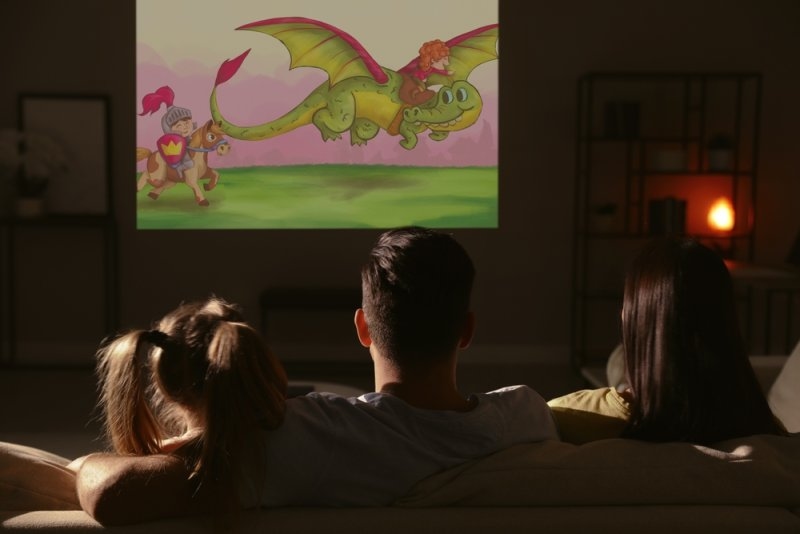
Here is the list of best LGBTQ+ cartoons you can binge-watch at leisure:
1. The Owl House
Created by Dana Terrace, The Owl House stands as a monumental milestone for queer representation on Disney. The series follows Luz Noceda, a self-assured Dominican-American human girl who stumbles into a magical realm. Luz makes history as Disney's first bisexuality-confirmed lead character, and her romantic relationship with former rival Amity Blight develops into a heartwarming, central storyline.
- Platform: Disney+
- Key Representation: Bisexual lead character (Luz), lesbian love interest (Amity), and non-binary witch (Raine Whispers).
- Target Audience: Kids, teens, and fantasy lovers.
2. She-Ra and the Princesses of Power
Executive, produced by ND Stevenson, this reimagined 1980s classic delivers one of the most inclusive Queer Animated Kids’ Shows in television history. Set on the magical planet Etheria, the show weaves diverse sexualities and gender identities into its core narrative naturally without making queer identity a source of conflict.
- Platform: Netflix
- Key Representation: Lesbian leads (Adora and Catra), non-binary heroes (Double Trouble), and same-sex parent households (Bow's dads).
- Target Audience: Older kids, teens, and animation fans.
3. Dead End: Paranormal Park
Based on Hamish Steele's graphic novels, this supernatural comedy series centres on two teenagers working at a haunted theme park. The show received widespread praise for its casual, authentic handling of trans and pansexual teenage experiences in modern animated storytelling.
- Platform: Netflix
- Key Representation: Transgender gay male protagonist (Barney) and pansexual co-worker (Norma).
- Target Audience: Tweens and teens who enjoy spooky humour.
4. Steven Universe
Created by Rebecca Sugar, Steven Universe broke historic barriers on Cartoon Network by introducing nuanced queer themes wrapped in sci-fi adventures. The series features the Crystal Gems, alien warriors whose magical fusions represent deep romantic bonds, culminating in a groundbreaking televised same-sex wedding between Ruby and Sapphire.
- Platform: Hulu / Max
- Key Representation: Non-binary main character (Steven/Stevonnie), lesbian relationship dynamics (Ruby and Sapphire), and pansexual themes.
- Target Audience: All ages.
5. Kipo and the Age of Wonderbeasts
Set in a vibrant post-apocalyptic world where giant mutated animals rule the surface, Kipo and the Age of Wonderbeasts delivers fast-paced action alongside quiet, groundbreaking character moments. Character Benson makes television history by explicitly coming out using the word "gay" in a casual, supportive conversation.
- Platform: Netflix
- Key Representation: Openly gay male lead (Benson) and his romantic interest (Troy).
- Target Audience: Kids and tweens.
Must Try: The Top LGBTQ TV Shows Worth Watching in 2026
What Cartoons Have LGBTQ Characters on Major Streaming Networks?
If you are asking what cartoons have LGBTQ characters, major networks have expanded their libraries significantly over the past decade.
| Streaming Platform | Featured Animated Title | Key Inclusion Highlights |
| Netflix | Nimona | Features fluid, shape-shifting themes and an openly gay lead couple |
| Disney+ | Strange World | Features Ethan Clade, Disney's first openly gay animated movie lead |
| Netflix | The Dragon Prince | Features same-sex elf queens and trans non-binary character arcs. |
| Max | Adventure Time: Distant Lands | Explores the long-term romantic relationship between Marceline and Bubblegum. |
Highlighting Iconic Female LGBTQ+ Cartoon Characters
Exploring female LGBTQ+ cartoon characters demonstrates how modern animation builds complex, relatable heroines.
- Luz Noceda and Amity Blight (The Owl House): Their tender, supportive romance models healthy communication and mutual respect for young audiences.
- Princess Bubblegum and Marceline (Adventure Time): Affectionately dubbed "Bubbline" by fans, their enemies-to-lovers arc spans multiple seasons and spinoff specials.
- Adora and Catra (She-Ra): Their deep, complicated emotional bond culminates in a universe-saving confession of love.
Discovering LGBTQ Anime Characters for Older Audiences
For viewers interested in Japanese animation, searching for LGBTQ+ anime characters uncovers rich, nuanced storytelling across multiple genres.
Shows like Sailor Moon paved the way with classic characters Sailor Uranus and Sailor Neptune. Modern hits like Sk8 the Infinity and Yuri!!! on Ice explore deep male bonds and queer romance within competitive sports frameworks. Furthermore, acclaimed series like Revolutionary Girl Utena offer profound allegorical examinations of gender roles and queer liberation.
Try This: Which are the New LGBTQ Movies You Should Watch in 2026?
Conclusion
Exploring modern LGBTQ+ cartoons reveals an exciting era of storytelling where diversity, equity, and authentic romance enrich animated worlds. Throughout this article, we examined top-rated series like The Owl House and She-Ra, highlighted popular LGBT cartoons on Netflix and LGBT cartoons on Disney, showcased prominent female characters, and explored inclusive anime picks.
These groundbreaking shows do more than entertain; they foster empathy, validate young identities, and encourage meaningful conversations within families. As animation creators continue pushing creative boundaries, inclusive stories will remain a vital pillar of youth entertainment.
Are you looking to connect with a supportive, inclusive community that celebrates queer culture and creative media? Join our vibrant community platform today and share your favourite animated series with fellow fans on gaycommunity.com!
FAQs
Are these LGBTQ cartoons suitable for young children?
Yes, many inclusive animated series are created specifically for young audiences. Shows like My Little Pony: Friendship Is Magic and Doc McStuffins feature subtle, age-appropriate themes such as same-sex parents or diverse family structures, teaching toddlers and young children about kindness, family diversity, and universal respect.
How can parents use LGBTQ cartoons to start family discussions?
Parents can use animated storylines as natural bridges for meaningful conversations. After watching an episode featuring queer characters, ask your children open-ended questions about how the characters treated each other. This opens comfortable dialogues about empathy, respecting personal identity, and standing up against bullying in real life.
Why is media representation important in children's animation?
Media representation matters because seeing diverse characters helps young people develop self-worth and emotional security. For non-queer youth, watching inclusive cartoons normalises human differences and reduces prejudice. Authentic storytelling proves that everyone deserves love, friendship, and heroic adventures regardless of who they are.
What is the difference between explicit and implicit queer representation in cartoons?
Implicit representation relies on subtext, coded behaviour, or creator confirmations outside the show itself, often due to past network censorship. Explicit representation features clear, in-show verbal confirmations, same-sex romantic relationships, or onscreen dialogue explicitly stating a character's queer, trans, or non-binary identity.
How have network censorship rules changed for LGBTQ animation over time?
Historically, television networks restricted creators from depicting same-sex romance or non-binary identities on children's channels. Over the past decade, passionate creators and shifting cultural acceptance pushed networks to lift restrictions, allowing creators to write explicit, heartwarming queer storylines without fear of cancellation.
-1781705290-r.jpeg)