What is the True Difference Between Agender vs. Nonbinary?

Quick Takeaways
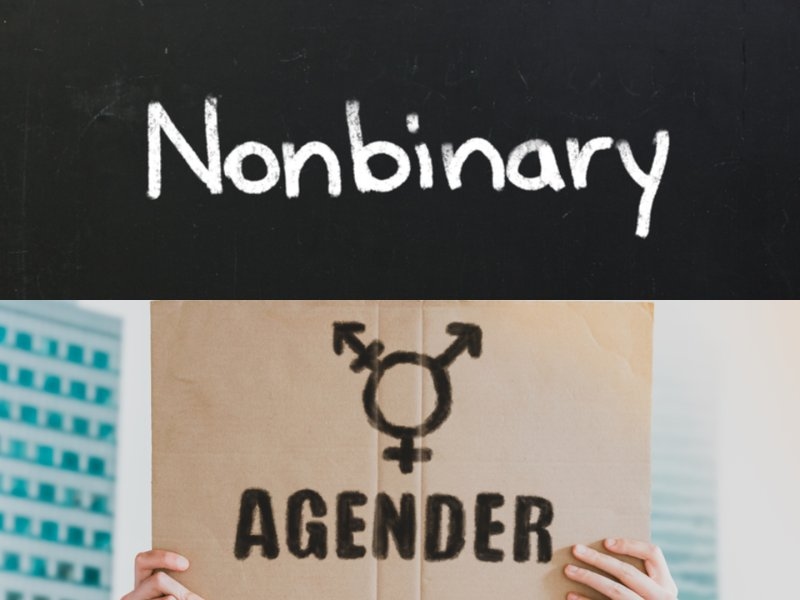
- Nonbinary serves as an umbrella term for anyone outside the traditional male or female binary structure.
- "Agender" specifically refers to the internal experience of having no gender or feeling completely genderless.
- Many agender people identify under the broader nonbinary umbrella, while others reject all gender labels entirely.
- Gender identity reflects your internal sense of self, whereas gender expression is how you present outwardly.
- Both identities use diverse pronouns, including they/them, ze/zir, or any pronouns that feel authentic.
Finding the right words to describe your inner world can feel like a deep relief. For many people navigating self-discovery, exploring agender vs. nonbinary nuances brings clarity to long-standing feelings. You might be questioning your own path or simply trying to support a loved one with genuine empathy.
According to survey data from The Trevor Project, over 26% of LGBTQ+ youth identify as nonbinary, with a significant percentage identifying as agender or gender neutral. Understanding these distinct terms helps us build more inclusive spaces in our schools, workplaces, and daily lives.
In this article, we will break down the key differences between an agender identity and a nonbinary identity. We will also explore the broader gender spectrum, examine common pronouns, and address widespread misconceptions about gender expression.
Understanding Nonbinary Identity as an Umbrella
To understand where different gender experiences overlap, we must start with the nonbinary identity. A nonbinary person is anyone whose internal sense of self does not fit neatly into the binary categories of strictly man or strictly woman.
This term acts as a large home for many distinct experiences across the expansive gender spectrum. Some nonbinary individuals feel like a blend of multiple genders, while others feel their experience shifts over time. Because the umbrella is so wide, every nonbinary person holds a unique perspective on their own life journey.
Exploring Agender Identity and What It Means
While nonbinary encompasses many different gender experiences, an agender identity has a very specific meaning. Being agender means experiencing an absence of gender entirely or feeling completely gender neutral.
Instead of feeling like a combination of genders, an agender person often feels outside the entire concept of gender. Some individuals describe it as feeling like a human being without any internal gender connection at all. It is a valid and deeply authentic way of existing in the world.
Try This: Paving The Way For Non-Binary & Transgender Equality
Is Agender Under the Nonbinary Umbrella?
A common question during self-discovery is whether an agender identity sits inside the broader nonbinary space. Strictly speaking, because agender exists outside the traditional male and female binary, it naturally falls under the nonbinary umbrella.
However, individual preference plays a major role in how people label themselves. Some agender individuals happily embrace the nonbinary label alongside agender. Others feel that nonbinary still implies having a gender, so they prefer to use "agender" exclusively. Respecting each person's chosen term is essential for building trust and understanding.
Comparing Gender Identity vs. Gender Expression
To gain full clarity on these concepts, it helps to separate internal feelings from external presentation.
Step 1: Understand gender identity as your deep internal sense of who you are.
Step 2: Recognize gender expression as how you present through clothing, hair, and mannerisms.
Step 3: Acknowledge that any gender identity can pair with any outward expression.
Step 4: Respect individual choices without making assumptions based on appearance alone.
An agender or nonbinary person might dress in traditionally masculine, feminine, or neutral clothing. Outward appearance never dictates internal reality.
Pronoun Uses Across These Distinct Identities
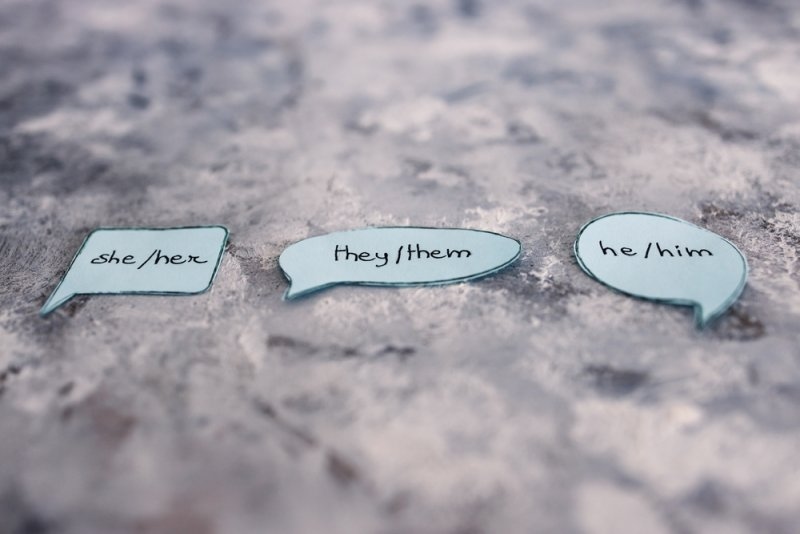
Pronouns are a simple yet powerful way to show respect for someone's authentic self. There is no single rule for which pronouns an agender or nonbinary person must use.
| Identity Concept | Primary Focus | Common Pronouns Used |
| Nonbinary | Experience outside the male/female binary | They/Them, She/They, He/They, Neopronouns |
| Agender | Absence or lack of internal gender | They/Them, Any Pronouns, No Pronouns |
Many individuals prefer gender-neutral pronouns like they/them or ze/zir, while others are comfortable with traditional pronouns or any combination that feels right to them.
Must Try: How Many LGBTQ Flags are There, and What Do They Mean?
Conclusion
Understanding the subtle distinctions between different identities helps us build a more compassionate world. We have explored how nonbinary functions as a broad umbrella for experiences outside the binary, while agender specifically describes the feeling of having no gender at all. We also examined how internal identity differs from outward expression and why honoring personal pronoun choices matters so much. Whether you are an ally, educator, or someone on a personal journey of self-discovery, learning these terms strengthens human connections.
Embracing diversity and gaining authentic knowledge allows us to support every individual with kindness and dignity. Connect with welcoming communities, access supportive educational resources, and join open conversations that celebrate authentic living every day.
FAQs
How Can Employers Create Inclusive Workplaces for Nonbinary and Agender Staff?
Employers can create inclusive workplaces by implementing gender-neutral language in company policies and providing optional pronoun fields in email signatures and HR systems. Offering gender-neutral restroom facilities and updating dress codes to be non-gendered also supports employee well-being. Managers should receive training on respectful communication to prevent accidental misgendering in daily meetings.
What Should You Do If You Accidentally Misgender Someone?
If you accidentally misgender someone, the best response is to correct yourself quickly, apologize briefly, and move on with the conversation. Avoid dwelling on the mistake or placing emotional burdens on the person by over-apologizing. Consistently practicing their correct pronouns in your thoughts and private conversations will help prevent future slip-ups.
How Do Mental Health Providers Support People Exploring Gender Spectrum Identities?
Mental health providers offer compassionate support by creating a safe, non-judgmental space for clients to explore their inner feelings without pressure to conform to specific labels. Therapists help individuals navigate social transitions, manage potential minority stress, and communicate their needs to family members. Using person-centered care ensures that clients feel fully validated throughout their personal self-discovery.
Can Someone Be Both Genderfluid and Agender at Different Times?
Yes, an individual can experience both identities if their sense of self shifts over time. A person who is genderfluid experiences changes in their internal identity, and those shifts may sometimes move into a state of feeling completely agender. Fluidity allows people to honor where they feel most comfortable on any given day.
How Can Parents Best Support a Child Who Identifies as Agender?
Parents can best support an agender child by listening with an open heart, validating their feelings, and educating themselves on LGBTQ+ terms. Using the child's preferred name and pronouns demonstrates unconditional love and acceptance. Standing up for your child in social and educational settings builds trust and protects their emotional and mental health.


-1781705290-r.jpeg)